Choosing an engagement ring is an exciting milestone, but with so many designs, diamond shapes, settings, metals, and price points available, knowing where to begin can feel overwhelming. An engagement ring is more than a beautiful piece of jewelry. It represents love, commitment, and the beginning of a new chapter together.
The right ring should reflect the person who will wear it while also fitting comfortably into everyday life. Some people are drawn to the clean simplicity of a solitaire engagement ring, while others prefer the sparkle of a halo, the character of vintage details, or the elegant proportions of an oval diamond.
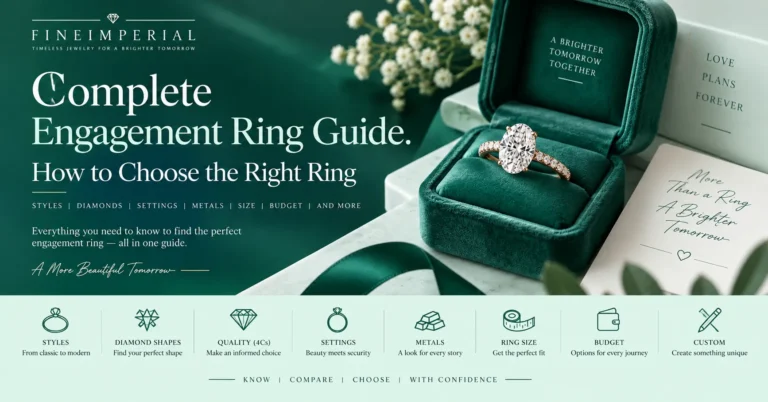
This complete guide will help you understand the most important decisions involved in choosing an engagement ring. From ring styles and diamond shapes to the 4Cs, settings, metals, sizing, budget, lab-grown diamonds, customization, and wedding-band compatibility, you will learn what to look for and how to make a confident, informed choice.
What Makes an Engagement Ring the Right Choice?
There is no single engagement ring that is perfect for everyone. The right choice comes from balancing personal style, diamond quality, comfort, durability, budget, and meaning.
Start by thinking about the person who will wear the ring. Their existing jewelry can provide valuable clues. If they usually wear simple and understated pieces, a solitaire engagement ring may suit them beautifully. If they prefer detailed jewelry, a halo, vintage-inspired, or multi-stone design may be more appropriate.
Lifestyle should also influence the decision. An engagement ring is often worn every day, so the design should be comfortable and practical for regular use. Someone with an active lifestyle may prefer a secure, lower-profile setting, while someone who enjoys statement jewelry may prefer a larger center stone or more detailed design.
The goal is not necessarily to choose the largest diamond or the most expensive ring. It is to find a piece that feels personal, looks beautiful, fits comfortably, and makes sense for your budget.
Understanding Engagement Ring Styles
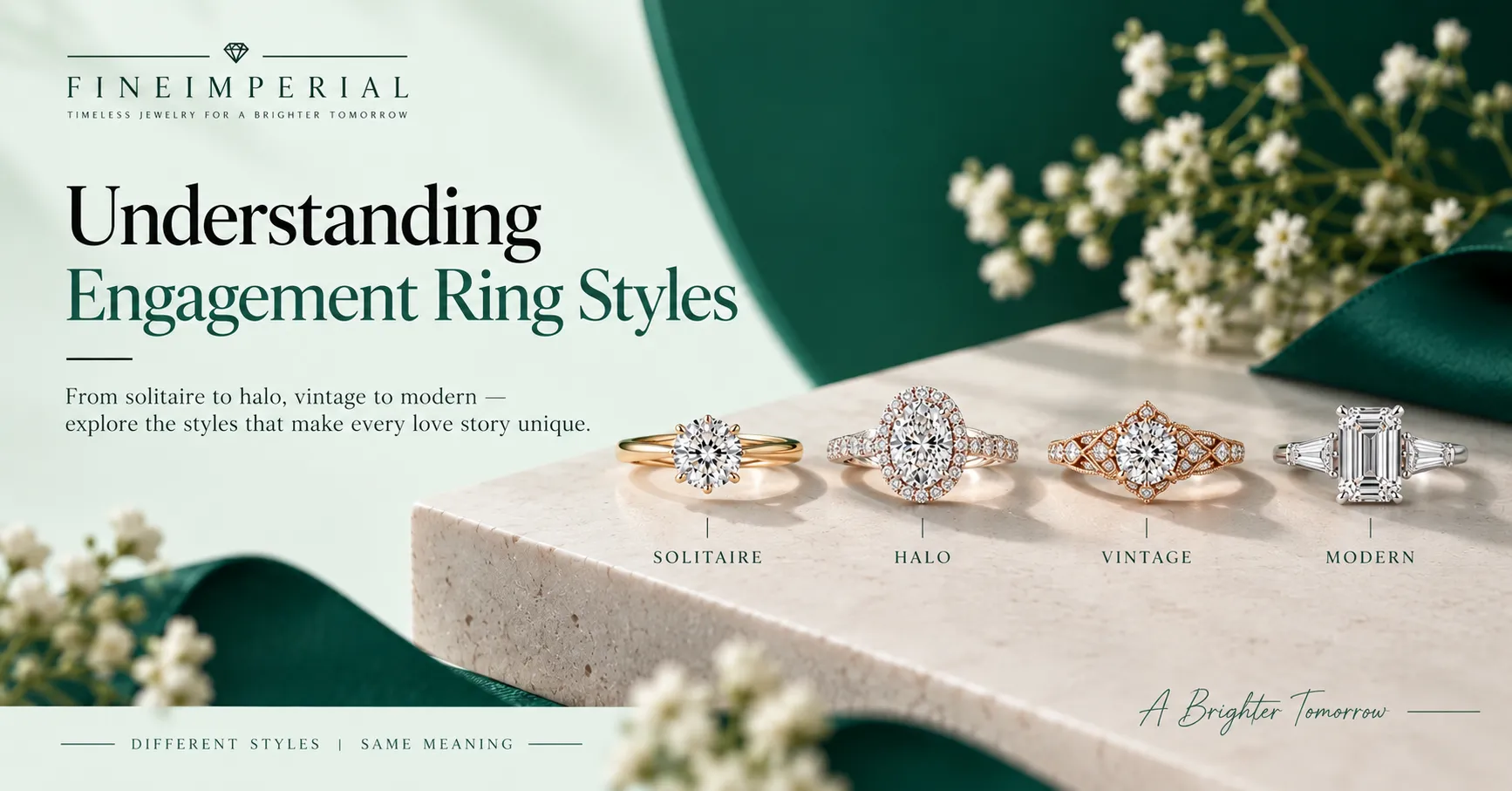
Engagement ring style determines the overall personality of the design. Before comparing individual diamonds, understanding a few major styles can help narrow your search.
Solitaire Engagement Rings
A solitaire features one prominent center diamond without a surrounding halo of smaller stones. Its simplicity puts almost all the visual attention on the center stone.
A classic solitaire engagement ring can work with many diamond shapes, including round, oval, emerald, cushion, and pear. It is particularly suitable for someone who prefers timeless jewelry with clean lines and minimal decoration.
Halo Engagement Rings
A halo setting surrounds the center diamond with a collection of smaller diamonds. This creates additional sparkle and gives the center stone a more substantial visual presence.
A halo design can be particularly attractive when paired with an oval or cushion diamond. It can also be adapted to different metals and proportions, making it a versatile choice for both traditional and contemporary styles.
Three-Stone Engagement Rings
Three-stone designs feature a central diamond accompanied by two additional stones. The three diamonds create a balanced, substantial appearance across the finger and are often associated with a couple’s past, present, and future.
Vintage and Modern Designs
Vintage engagement rings often feature decorative details such as milgrain, engraving, filigree, intricate galleries, and ornate metalwork. These details can give a ring a distinctive heirloom-inspired character.
Modern designs tend to emphasize cleaner lines, streamlined settings, minimalist details, or contemporary proportions. Some rings combine vintage-inspired craftsmanship with modern diamond shapes, creating a style that sits between traditional and contemporary jewelry.
Buy Engagement Rings
-
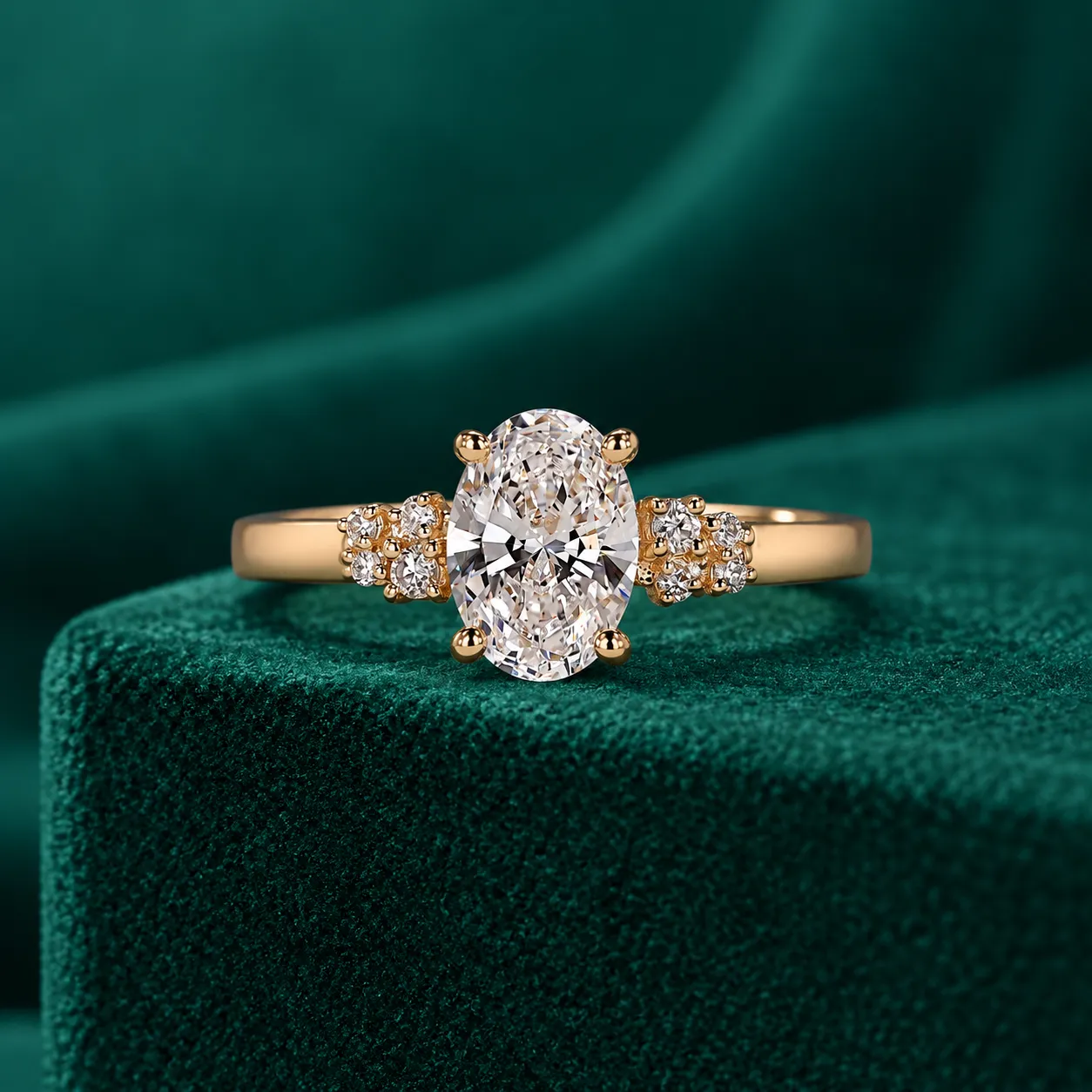
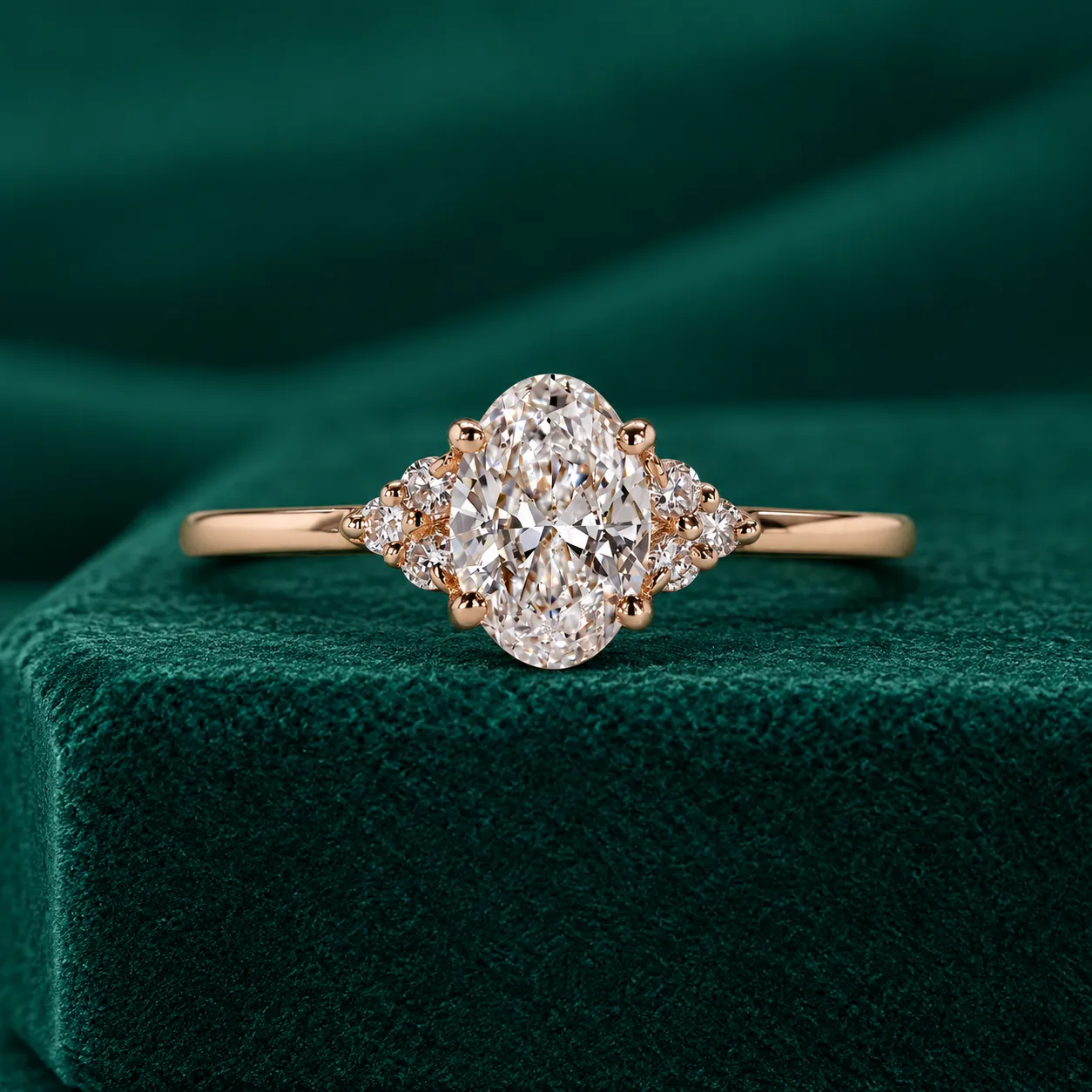
Oval Diamond Engagement Ring Genuine Lab Grown Diamond Ring Solid Gold 10K 14K 18K Ring Oval Proposal Ring 3 Stone Ring Anniversary Gifts
Price range: $410.00 through $3,230.00 Select options This product has multiple variants. The options may be chosen on the product page -
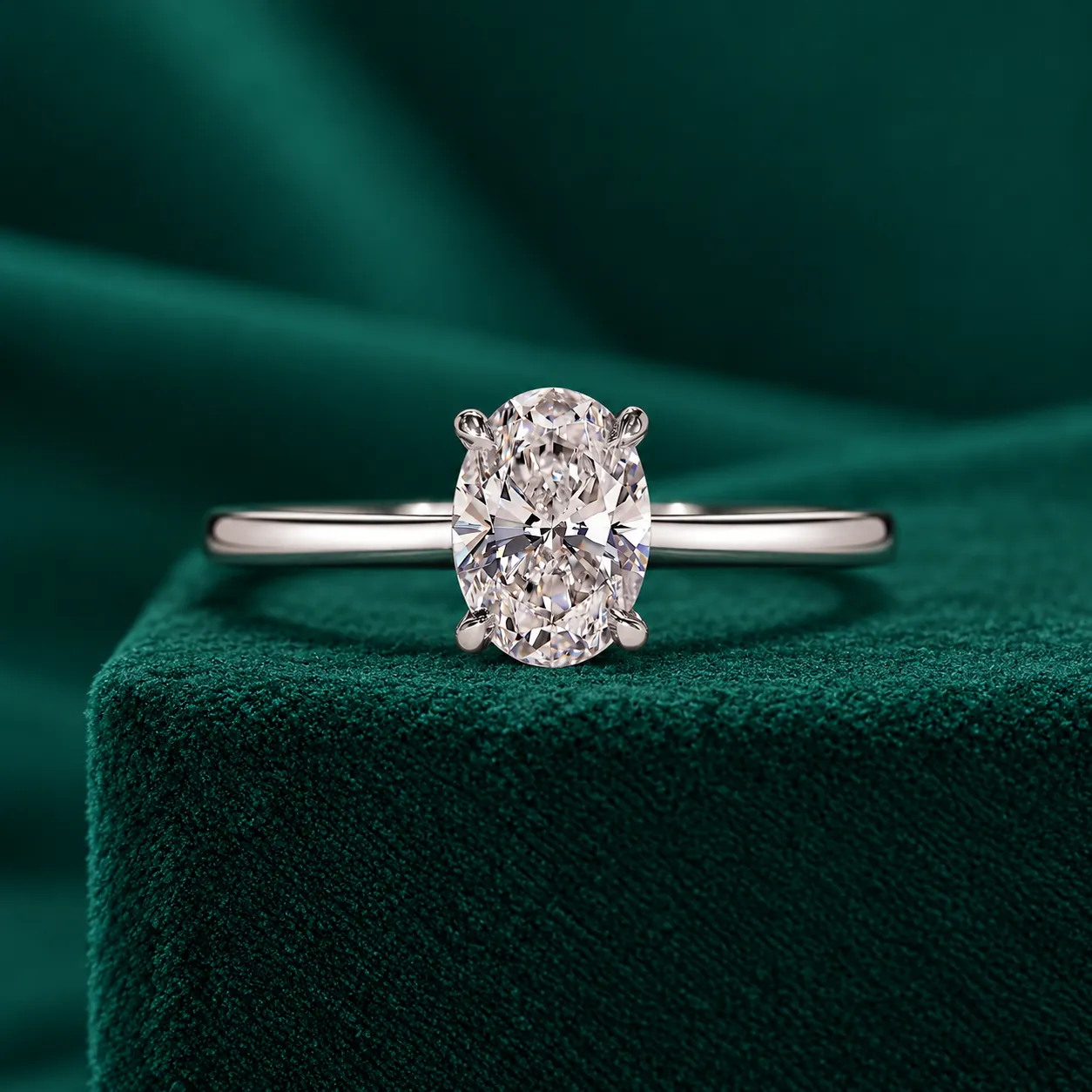
Oval Diamond Engagement Ring Lab Grown Diamond Ring IGI Certified Diamond Anniversary Ring Diamond Solitaire Ring Oval Proposal Ring for Her
Price range: $345.00 through $3,020.00 Select options This product has multiple variants. The options may be chosen on the product page -
Oval Diamond Engagement Ring Oval Lab Diamond Proposal Ring Unique Oval Wedding Ring for Women Cluster Diamond Ring Anniversary Gift for Her
Price range: $390.00 through $3,210.00 Select options This product has multiple variants. The options may be chosen on the product page -
Oval Lab Grown Diamond Engagement Ring Oval Diamond Ring Solid Gold Ring for Her 3 Stone Diamond Anniversary Ring Gift Unique Promise Ring
Price range: $345.00 through $2,795.00 Select options This product has multiple variants. The options may be chosen on the product page
Choosing the Right Diamond Shape
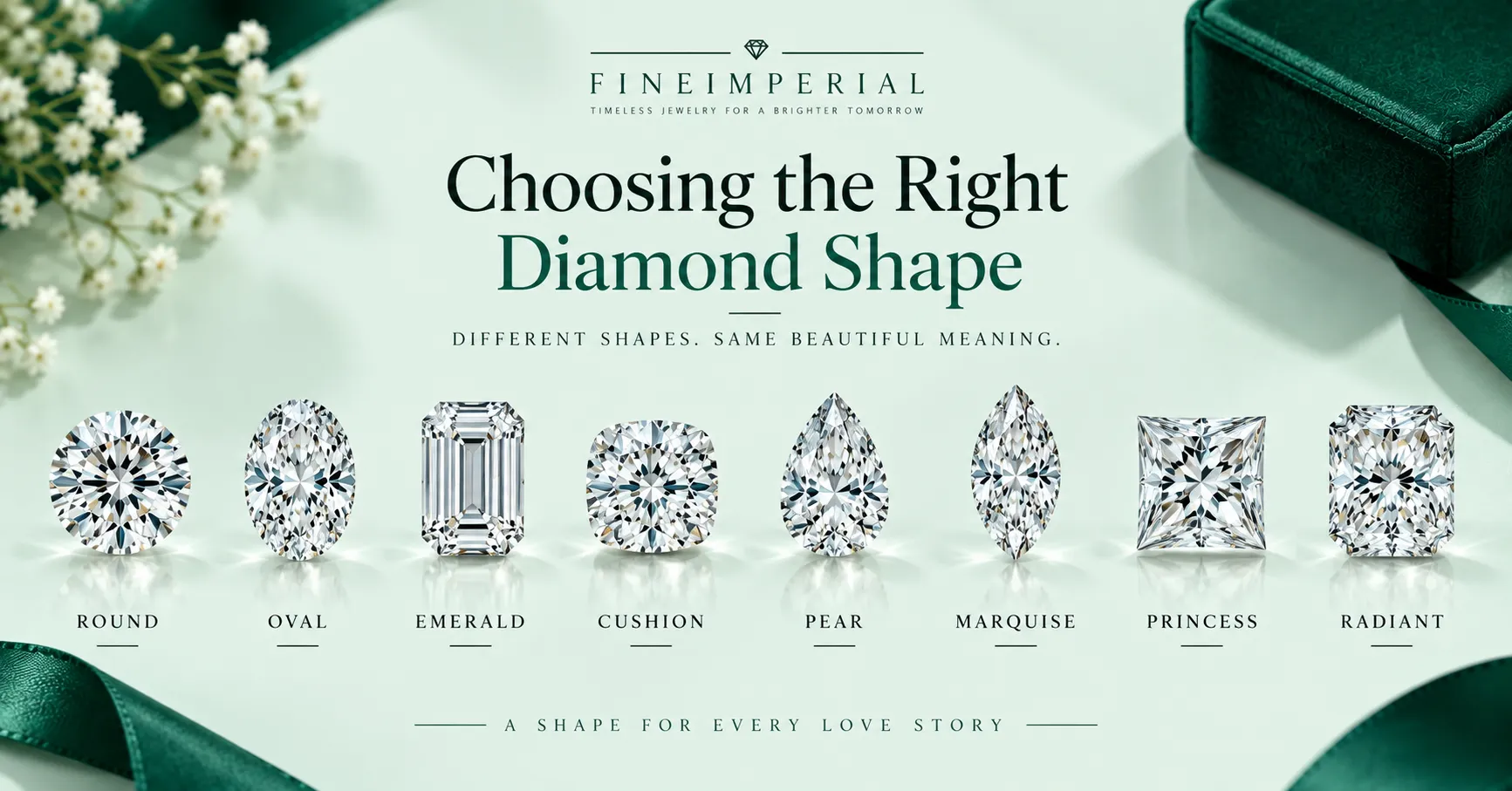
Diamond shape is one of the most noticeable decisions when choosing an engagement ring. Shape describes the diamond’s overall outline, while cut refers to how effectively its facets are proportioned and finished.
Round
Round diamonds are a timeless choice with a symmetrical outline and strong potential for brilliance. Their classic appearance works well with almost every engagement ring setting.
Oval
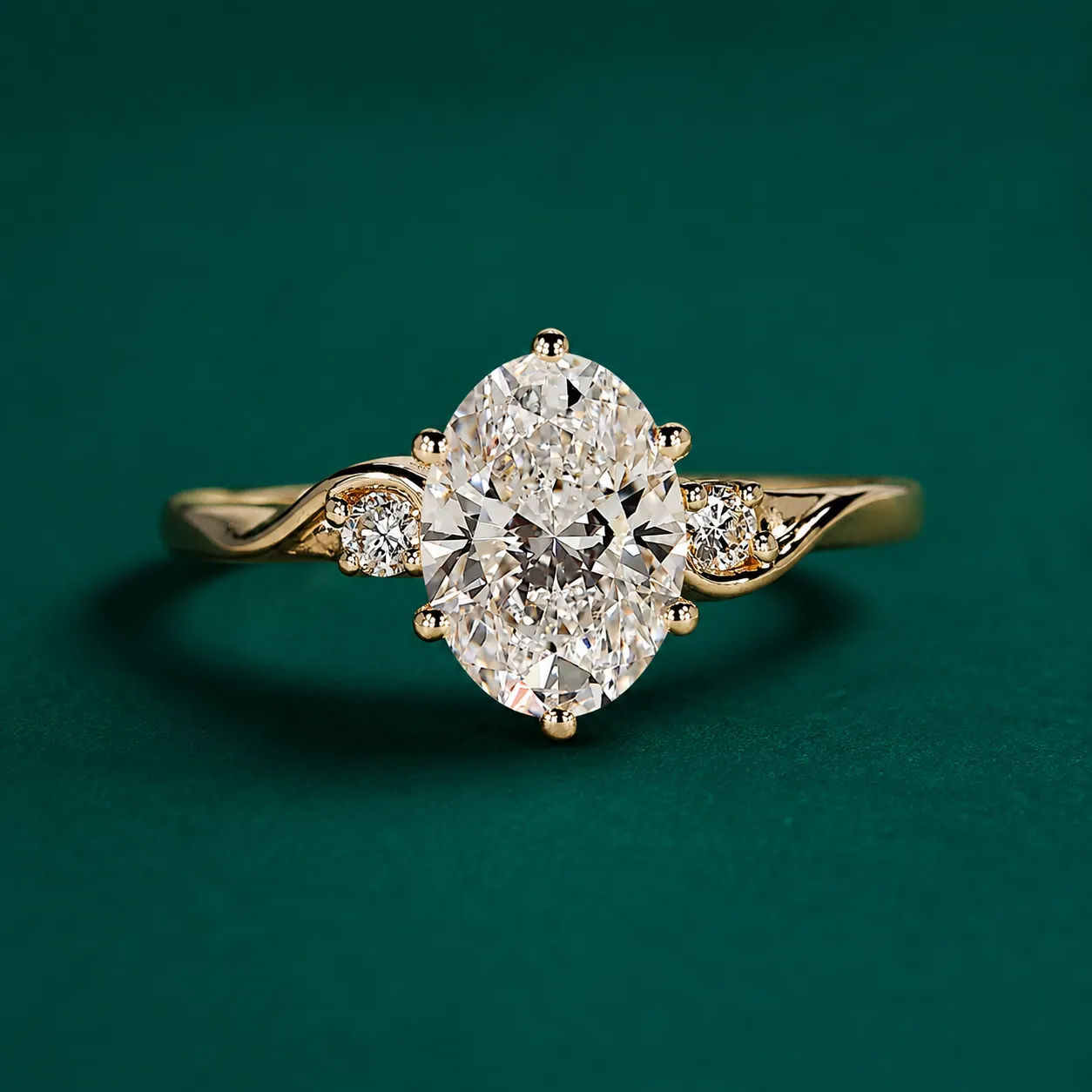
Oval diamonds have an elongated outline that creates a graceful appearance on the finger. Oval engagement rings are an appealing alternative to traditional round designs while maintaining a classic and elegant character.
An oval engagement ring can be paired with a solitaire, halo, pavé, or three-stone setting. When comparing oval diamonds, look at their proportions as well as their overall cut quality because different length-to-width ratios can create noticeably different appearances.
Emerald
Emerald-cut diamonds feature a rectangular outline and step-cut facets. Instead of producing the intense sparkle associated with many brilliant-cut diamonds, they create broad flashes and a sophisticated, mirror-like appearance.
Emerald cut engagement rings are particularly attractive for buyers who prefer clean, refined designs. Their structured shape can work beautifully in solitaire and three-stone settings.
Cushion
Cushion diamonds have a square or rectangular outline with rounded corners. Their softer silhouette gives them a romantic appearance and makes them suitable for both classic and vintage-inspired designs.
Pear
Pear-shaped diamonds combine a rounded end with a pointed tip, creating a distinctive teardrop silhouette. They can offer an elegant and slightly unconventional alternative to traditional shapes.
Marquise
Marquise diamonds are long and narrow with pointed ends. Their elongated proportions can create a dramatic appearance and visually lengthen the finger.
Princess
Princess-cut diamonds have a square or rectangular outline with crisp corners. Their geometric appearance makes them especially suitable for modern engagement ring designs.
Radiant
Radiant diamonds combine a structured rectangular or square outline with brilliant-style faceting. They offer a balance between geometric shape and noticeable sparkle.
Oval, Oblong, and Elongated Shapes
You may also come across the term oblong engagement rings when researching elongated designs. Oblong is generally a descriptive term for a shape that is noticeably longer than it is wide rather than one specific standardized diamond shape.
While choosing a ring with an oval shape, take various proportions into consideration before making a choice. Finger coverage, setting, length to width ratio and outline are all factors that can impact the finished look.
For buyers comparing oval engagement rings, viewing different proportions side by side can make the choice much easier.
Diamond Quality: Understanding the 4Cs
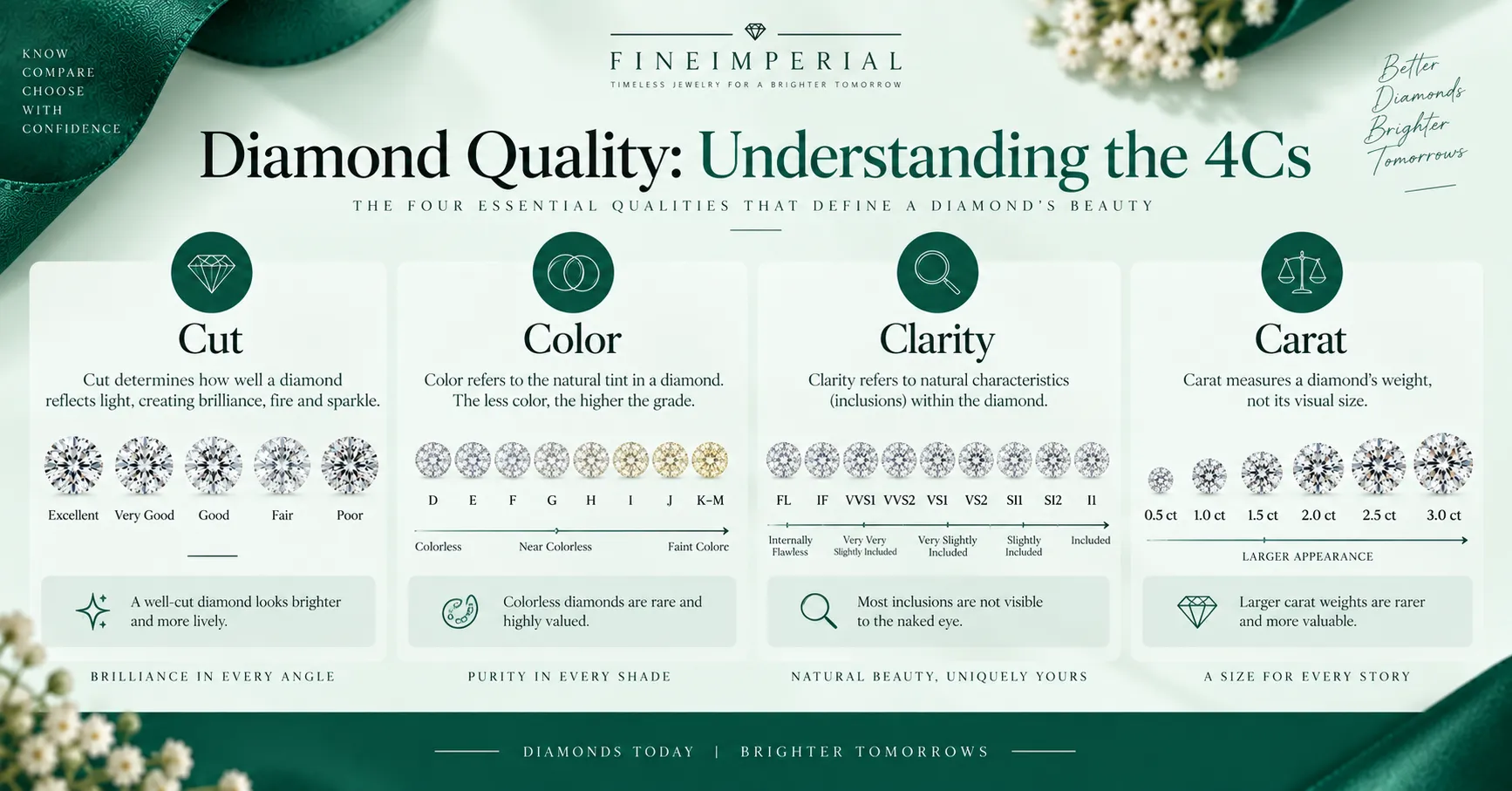
Once you have chosen a preferred diamond shape, the next step is understanding diamond quality. The four commonly discussed characteristics are Cut, Color, Clarity, and Carat.
Cut
Cut describes how well the diamond’s proportions, symmetry, and facets interact with light. A well-cut diamond can appear bright and lively.
It is important not to confuse cut with shape. Oval, round, emerald, and other terms describe shape, while cut evaluates how effectively the diamond has been fashioned.
Color
Color refers to the amount of visible body color in a diamond. In traditional grading systems, diamonds with less noticeable color generally receive higher color grades.
The ideal choice can depend on the diamond shape and the metal used for the ring.
Clarity
Clarity describes internal characteristics and surface features within a diamond. Some characteristics are visible only under magnification, while others may be more noticeable.
Rather than automatically choosing the highest clarity grade, consider the diamond’s overall appearance and whether characteristics are visible to the unaided eye.
Carat
Carat measures a diamond’s weight rather than directly measuring its visible size. Diamonds with the same carat weight can appear different depending on their shape and proportions.
A good purchase considers all four characteristics together rather than focusing on a single specification.
How to Choose the Right Engagement Ring Setting
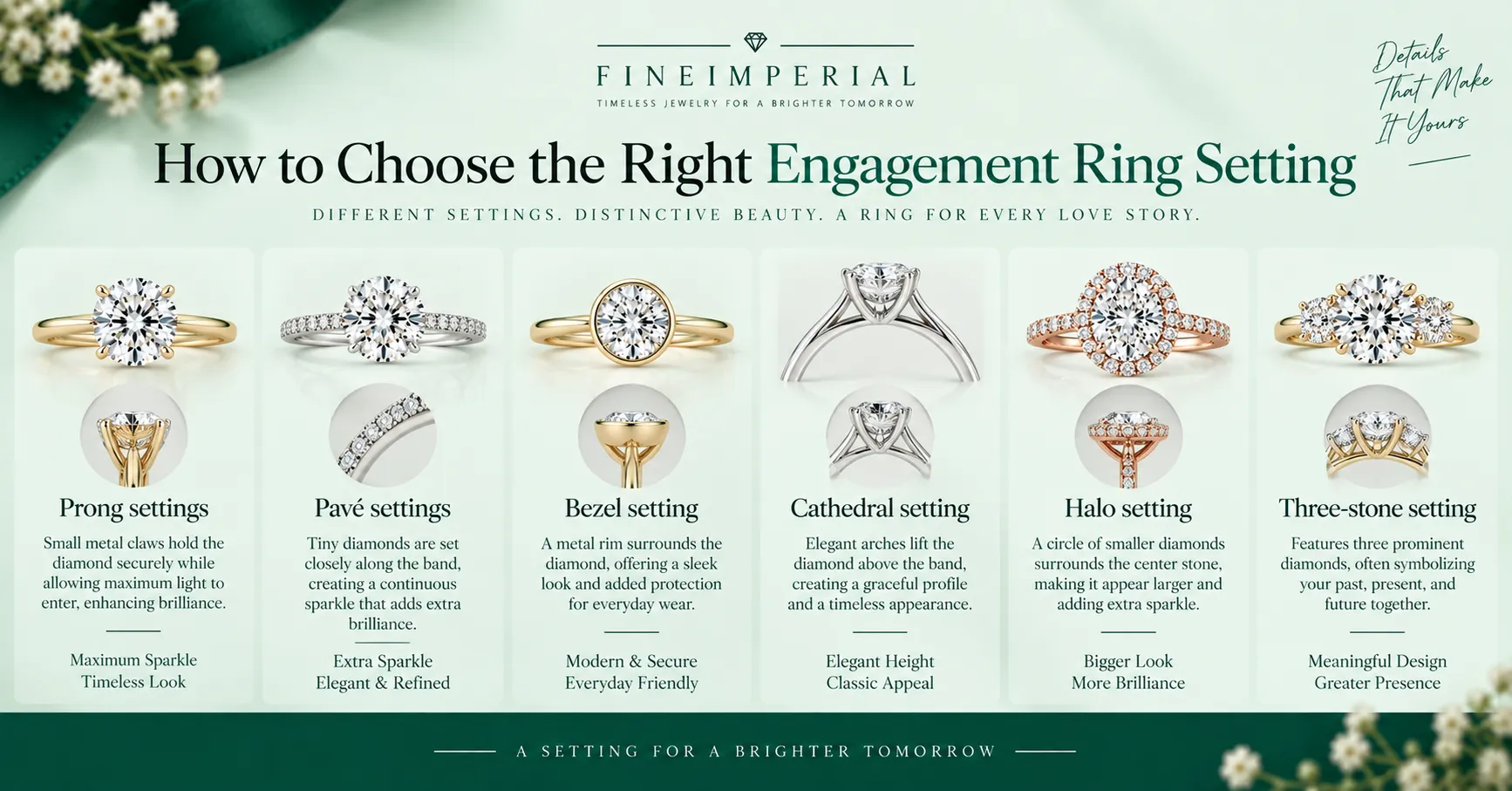
The setting secures the diamond while also influencing the ring’s appearance, profile, durability, and everyday practicality.
Prong settings use small metal claws to hold the center diamond securely while allowing substantial light exposure. They are commonly used for solitaire designs and can highlight the center stone.
Pavé settings feature small diamonds positioned closely along the band, creating a continuous sparkling appearance.
A bezel setting surrounds the diamond with a metal rim. This produces a sleek appearance and can provide additional protection around the stone.
A cathedral setting uses raised arches of metal to support the center diamond. This creates an elegant profile and gives the center stone additional visual height.
A halo setting places smaller diamonds around the center stone, increasing sparkle and creating a larger overall appearance.
A three-stone setting features three prominent diamonds across the top of the ring, creating a wider and more substantial design.
The setting should always be considered together with the diamond shape, lifestyle, desired appearance, and future wedding-band plans.
Selecting the Right Engagement Ring Metal
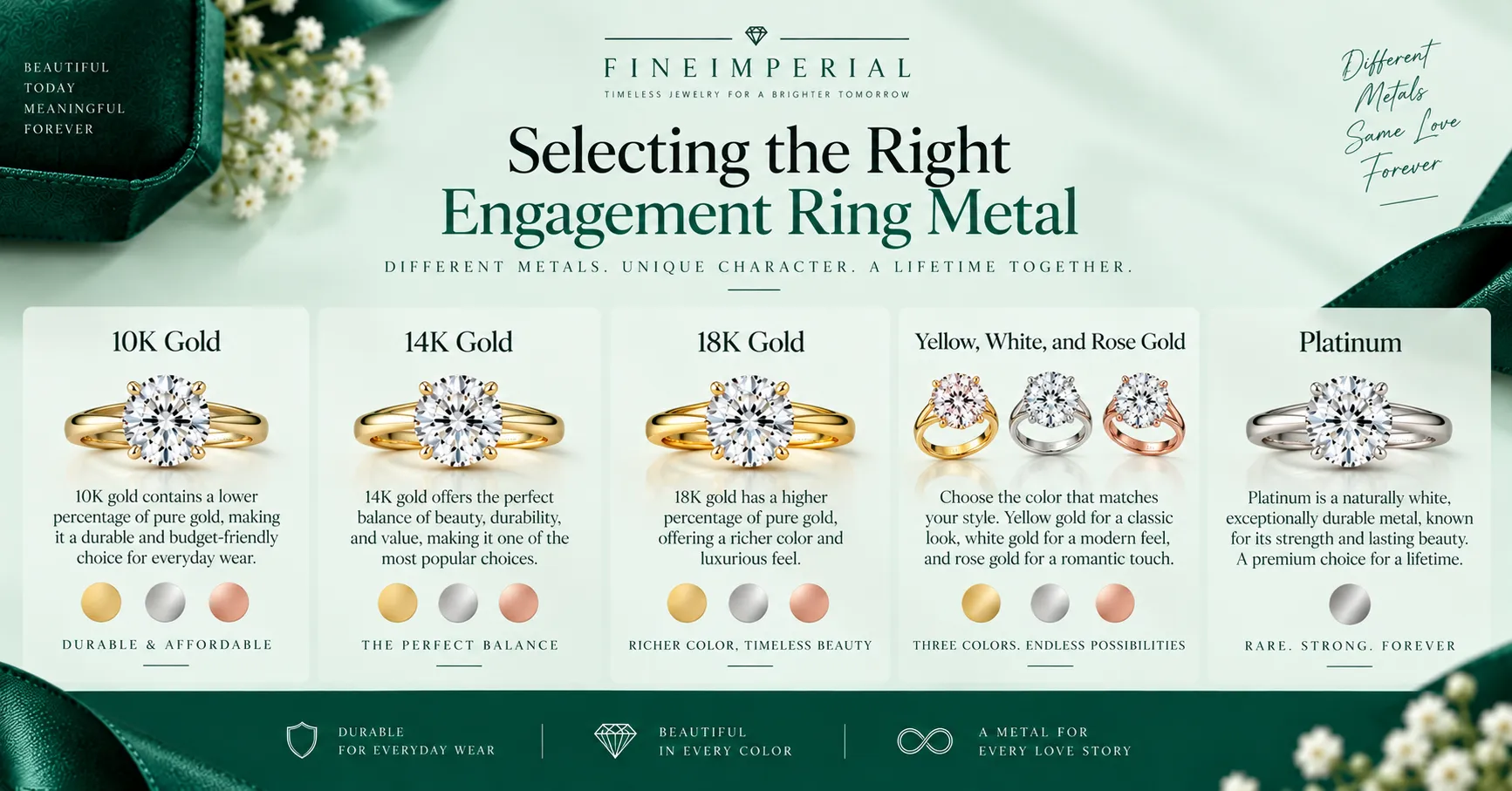
The metal you choose affects the color, durability, appearance, maintenance, and overall character of the engagement ring.
10K Gold
10K gold contains a lower proportion of pure gold than 14K and 18K gold. It can be a practical option for buyers who prioritize durability and value.
14K Gold
14K gold provides a popular balance between gold content, durability, appearance, and price. It is a versatile choice for jewelry intended for regular wear.
18K Gold
18K gold contains a higher proportion of pure gold and generally has a richer gold appearance. Because gold is relatively soft, higher gold content can also make the metal somewhat softer than 14K gold.
Yellow, White, and Rose Gold
Yellow gold provides a warm and traditional appearance. White gold offers a bright, contemporary look, while rose gold creates a distinctive pink-toned appearance.
Platinum
Platinum is a premium precious metal known for its naturally white appearance and durability. It can be an excellent option for buyers looking for a premium metal for everyday jewelry.
The best metal is the one that complements the diamond, matches the wearer’s personal style, works with their lifestyle, and fits the overall budget.
How to Find the Correct Engagement Ring Size
Correct sizing is essential for comfort and security. A ring that is too tight can feel uncomfortable, while one that is too loose may move excessively or potentially slip from the finger.
Professional measurement is the most reliable method. For a surprise proposal, you can discreetly use a ring your partner already wears on the intended finger and have its size determined.
You can also ask a trusted friend or family member for assistance. Remember that fingers can change slightly with temperature and throughout the day, so professional advice is valuable.
If the original size is incorrect, resizing might be possible but not all designs can be resized as easily. Some intricate settings, eternity style designs and some ring types can be more restricted.
How Much Should You Spend on an Engagement Ring?
There is no universal amount that everyone should spend on an engagement ring. Rules suggesting that you must spend a particular number of months’ salary are not requirements.
Instead, establish a budget that makes sense for your own financial situation. The purpose of a meaningful engagement ring should not be to create unnecessary financial pressure.
Diamond carat, cut, color, clarity, shape, metal, setting complexity, craftsmanship, and customization can all influence the final price.
Your choice between natural and lab-grown diamonds may also influence the options available within a particular budget. Buyers researching lab-created options can compare lab created diamond engagement rings based on diamond characteristics, design, certification, and overall value.
Focus on the combination of quality and design that makes sense within your budget rather than allowing one specification, such as carat weight, to determine the entire purchase.
Lab-Grown vs Natural Diamonds: What Should You Know?
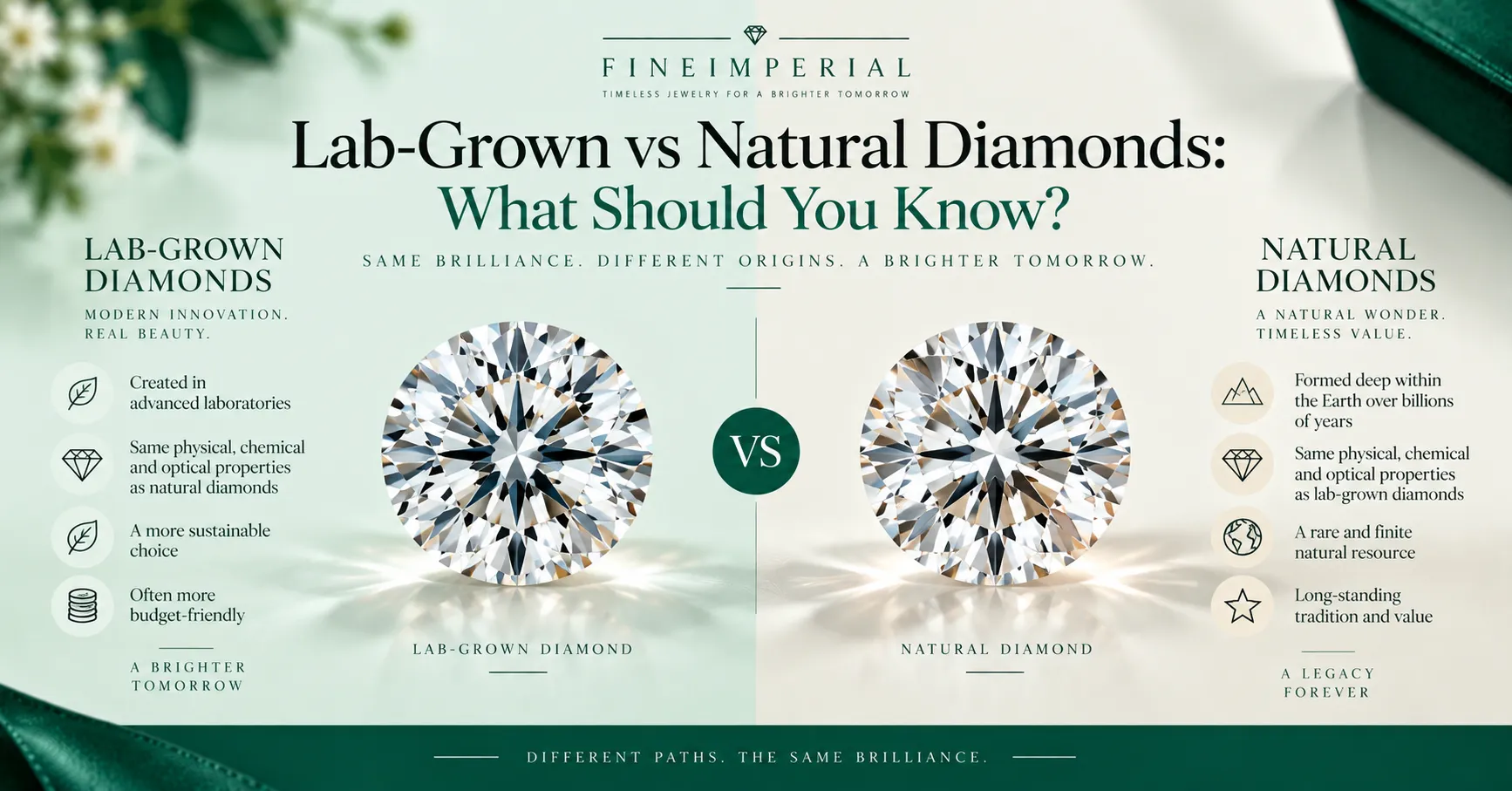
There are a number of differences between lab-grown and natural diamonds. Whilst natural diamonds are grown naturally over an extremely long period, a diamond is lab-grown because of the controlled process used in the laboratory.
Lab-grown diamonds have the same fundamental crystal structure and chemical composition as natural diamonds. The key distinction is how and where they are formed.
For shoppers researching lab grown diamond engagement rings, important considerations still include shape, cut, color, clarity, carat weight, certification, setting, and overall design.
A buyer comparing lab created diamond engagement rings should also consider their preferences around diamond origin and budget. Natural diamonds may appeal to those who value geological origin and traditional mined-diamond history, while lab-grown diamonds provide an alternative created through modern technology.
There is no single choice that is right for every couple. The best option depends on what you value most in the purchase.
How to Choose an Engagement Ring Step by Step
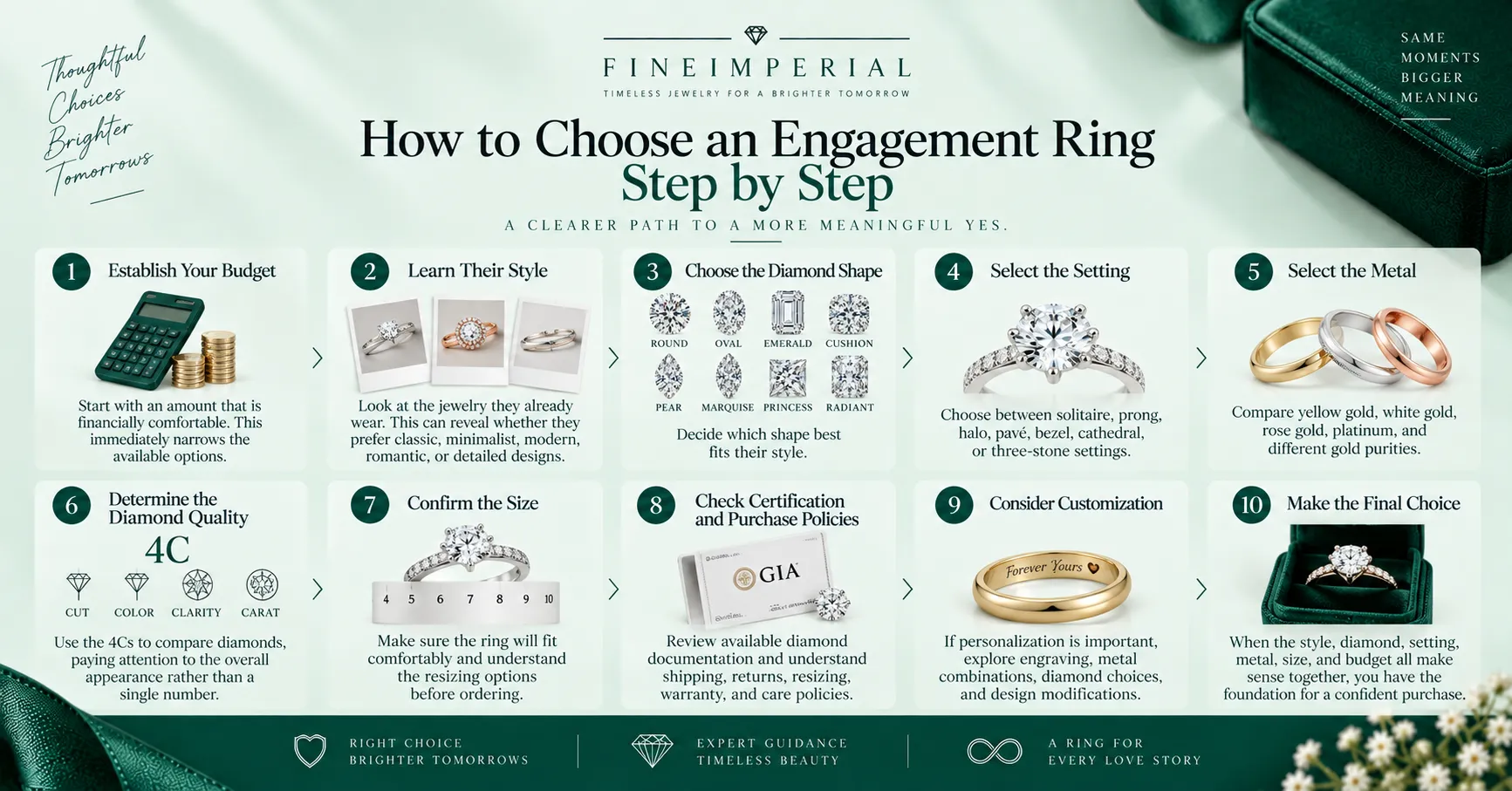
If the number of choices feels overwhelming, follow the process in a logical order.
1. Establish your budget.
Start with an amount that feels financially comfortable. This immediately helps narrow your available choices.
2. Learn their style.
Look at the jewelry they already wear. Notice whether they prefer classic, minimalist, modern, romantic, vintage, or detailed designs.
3. Choose the diamond shape.
Compare round, oval, emerald, cushion, pear, marquise, princess, and radiant shapes. If elongated designs appeal to you, compare an oval shaped engagement ring with other elongated options.
4. Select the setting.
Choose between solitaire, prong, halo, pavé, bezel, cathedral, and three-stone settings based on appearance, security, and lifestyle.
5. Select the metal.
Compare yellow gold, white gold, rose gold, platinum, and different gold purities.
6. Determine diamond quality.
Use the 4Cs to compare diamonds while considering their overall appearance rather than focusing on one specification.
7. Confirm the size.
Make sure the ring will fit comfortably and understand whether resizing is available.
8. Check certification and purchase policies.
Review available diamond documentation and understand shipping, returns, resizing, warranty, and care policies.
9. Consider customization.
If you want something more personal, explore engraving, metal combinations, diamond choices, and design modifications.
10. Make the final choice.
Once style, diamond, setting, metal, size, and budget work together, you can make your purchase with greater confidence.
Making Your Engagement Ring Work With a Wedding Band
An engagement ring is often worn together with a wedding band, so compatibility is worth considering before you purchase.
The two rings do not need to match exactly. They can coordinate through the same metal color, complementary details, similar proportions, or contrasting designs that still look balanced together.
Ring height is particularly important. Some engagement ring settings allow a straight wedding band to sit flush against them, while others may require a curved, contoured, or specially shaped band.
This is especially worth considering with rings that have prominent center stones or unusual profiles. Thinking about the future wedding band early can help you create a comfortable and cohesive combination.
Custom Engagement Rings: Creating Something Personal
A custom engagement ring will allow you greater control over the design that you choose. Metal, diamond shape, setting, band proportions, side stones, engraving and other aspects might be possible to choose.
Customization can be useful if you have a specific design in mind. For example, you might want an oval engagement ring with a particular setting, a vintage-inspired band, or a modern design built around an unusual diamond shape.
Please check the specifications, the type of diamonds to be used, the size of the ring, the production time, the cost of customization, and the terms regarding made changes or returns before approving the custom design.
The strongest custom designs combine personal meaning with practical considerations such as comfort, durability, and everyday wear.
Engagement Ring Buying Checklist
Before placing your order, review the following:
- Comfortable budget established
- Partner’s personal style considered
- Diamond shape selected
- Diamond 4Cs reviewed
- Setting chosen
- Metal selected
- Correct ring size confirmed
- Diamond certification reviewed
- Natural vs. lab-grown preference considered
- Customization requirements confirmed
- Shipping and delivery details checked
- Return and resizing policies reviewed
- Warranty and jewelry-care information understood
- Wedding-band compatibility considered
Taking the time to review these details can make the buying process more organized and help you avoid preventable mistakes.
Final Thoughts: Choosing a Ring With Confidence
Choosing an engagement ring is not simply about finding the biggest diamond or spending the most money. The strongest choice brings together personal style, diamond quality, setting, metal, comfort, craftsmanship, and budget.
Whether you are drawn to classic diamond engagement rings, elegant oval engagement rings, sophisticated emerald cut engagement rings, detailed vintage designs, or a timeless solitaire engagement ring, focus first on what suits the person who will wear it.
Take your time, compare your options, understand the important details, and avoid making the decision based only on trends or outdated spending rules. A beautiful engagement ring should feel personal today while remaining meaningful and comfortable for years to come.