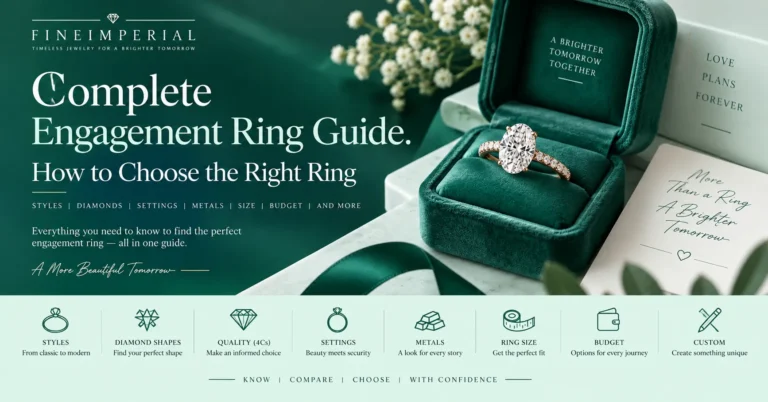
Embarking on the journey to find the ideal proposal ring can feel completely overwhelming at first. With countless styles, settings, diamond cuts, and technical details to evaluate, figuring out where to begin is often the hardest part.
Achieving the right balance between stunning design, high quality, and a comfortable budget requires clear direction and a structured approach.
Fortunately, a confident purchase comes down to mastering a few foundational elements. Understanding design categories, setting types, diamond shapes, every single diamond cut style, and proper certification helps you avoid expensive mistakes while keeping your focus firmly on what matters most.
Additionally, modern innovations like lab-grown diamonds have revolutionized the market, offering the exact same breathtaking beauty and physical durability as mined stones while providing much greater flexibility in size, quality, and overall design.
Analyzing Style, Lifestyle, and Personal Preferences
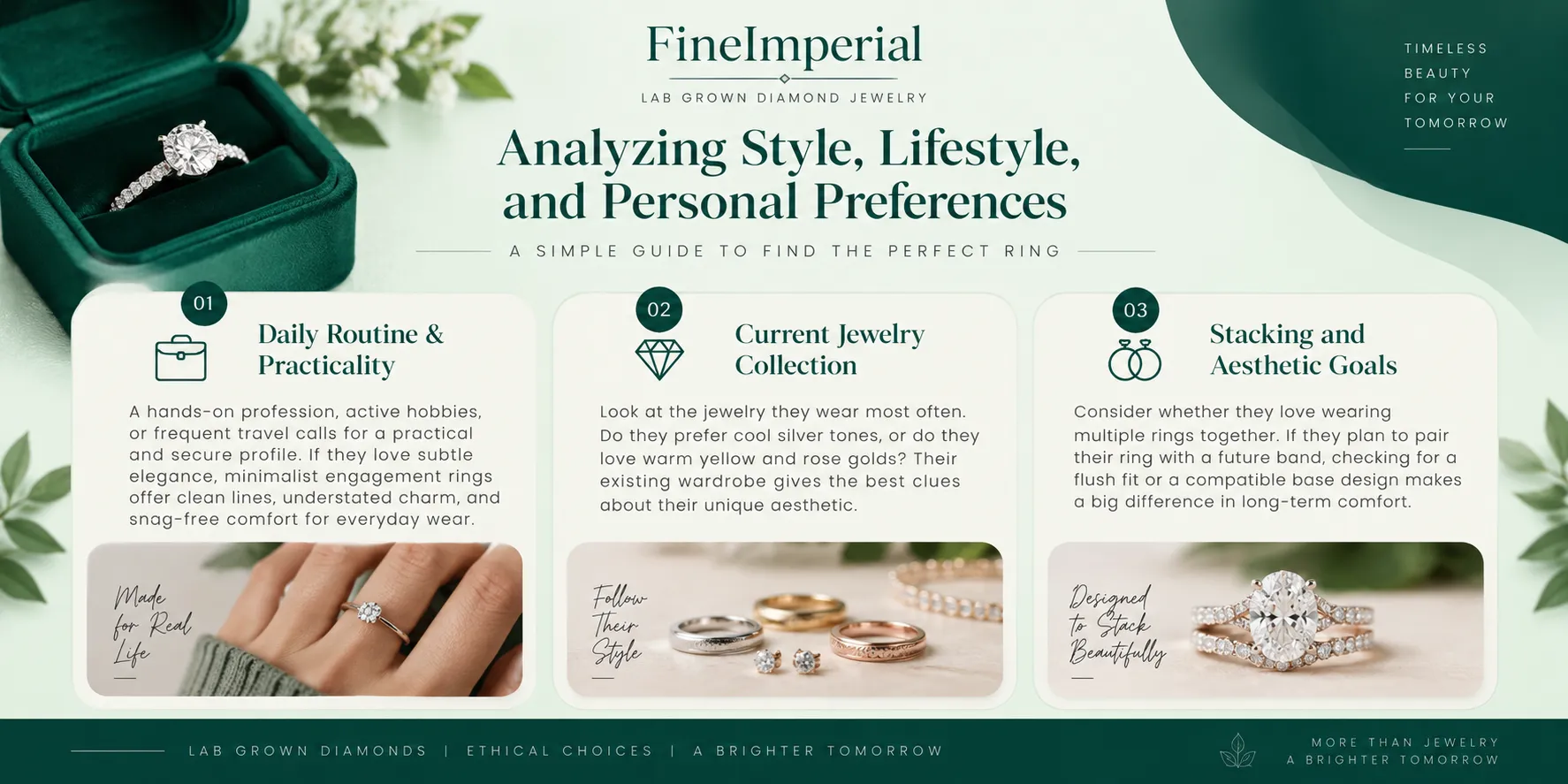
Before looking at any online catalogs or stepping foot into a jewelry store, take time to study the person who will wear the piece every single day. Personal taste and daily habits matter far more than fleeting online trends.
- Daily Routine & Practicality: A person with a hands-on profession, active hobbies, or a frequent travel schedule needs a practical and secure profile. Someone who loves subtle elegance often gravitates toward minimalist engagement rings that provide clean lines, understated charm, and effortless, snag-free comfort during everyday tasks.
- Current Jewelry Collection: Inspect what accessories they wear most often. Do they prefer cool silver tones, or do they exclusively wear warm yellow and rose golds? Their existing wardrobe gives the absolute best clues about their aesthetic.
- Stacking and Aesthetic Goals: Consider whether they love wearing multiple rings together. If they plan to pair their ring with a future band, checking for a flush fit or a compatible base design makes a massive difference in long-term comfort.
Establishing a Sensible and Realistic Budget
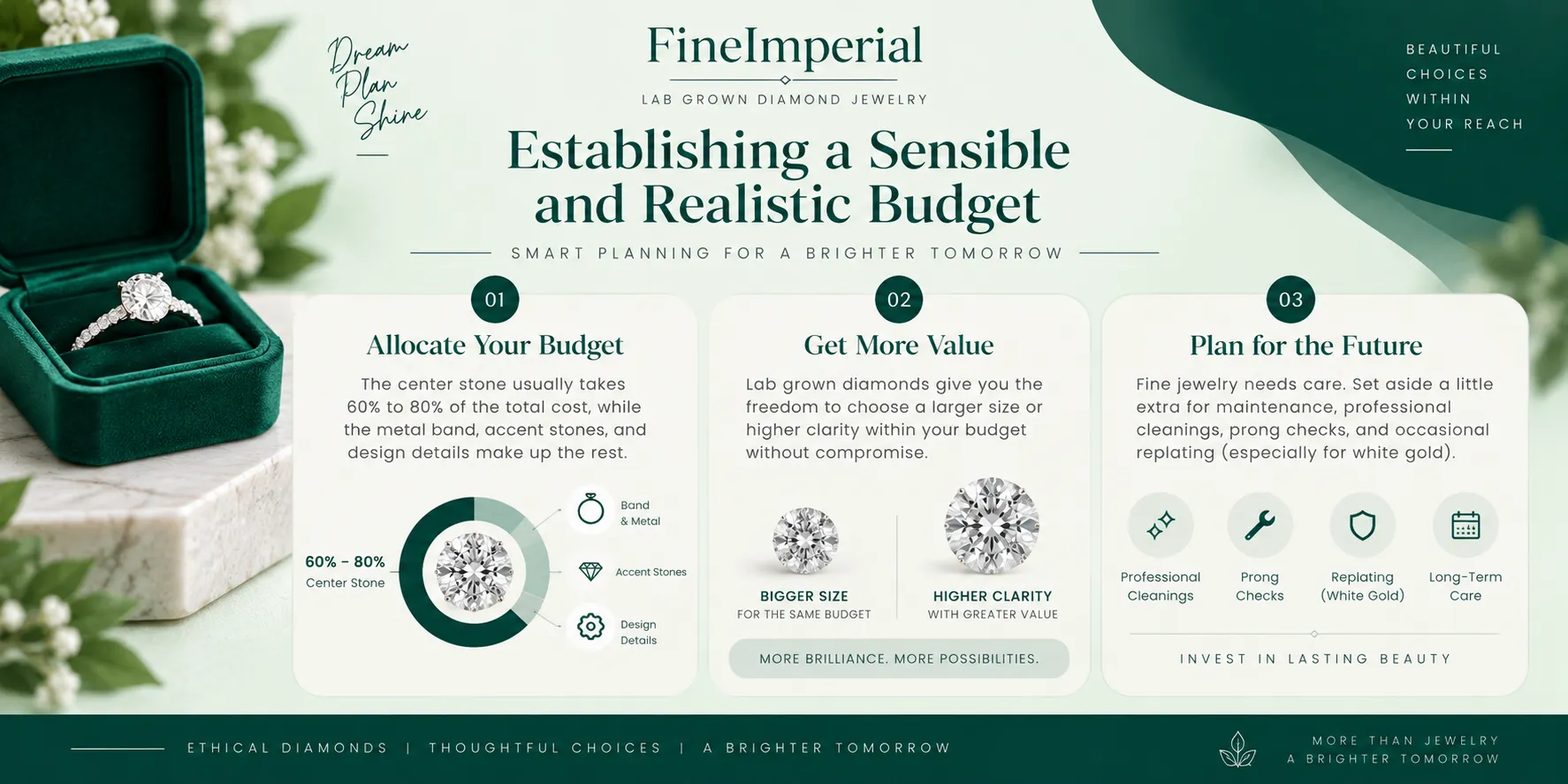
Forget rigid, outdated marketing rules that suggest spending multiple months of your salary. Your budget should reflect your personal financial situation, comfort level, and peace of mind.
- Cost Allocation: Typically, the center stone takes up around 60% to 80% of the overall cost, while the metal band, accent stones, and design details account for the remaining balance.
- Maximizing Value: Opting for lab-grown alternatives allows you to scale up in size or clarity grades without breaking your financial boundaries.
- Long-Term Expenses: Fine jewelry needs care. I think you should plan for maintenance, professional cleanings, prong checks and sometimes a new plating, for white gold. Putting an extra money aside for this in your budget is always a good idea.
Choose an Engagement Ring
-
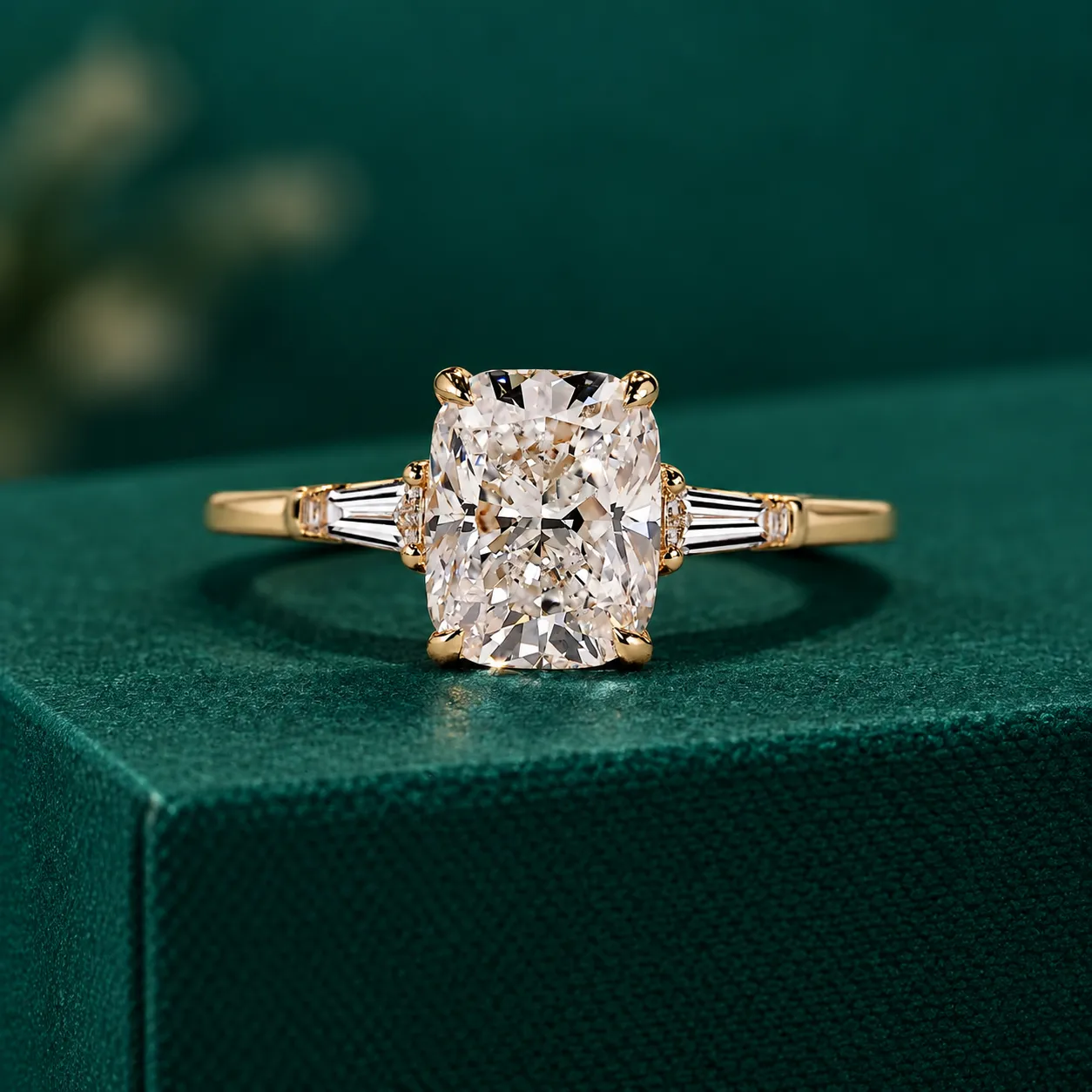
Diamond Engagement Ring Cushion Diamond Ring Unique 3 Diamond Wedding Ring Genuine Lab Grown Diamond Ring Anniversary Ring for Wife Gift
Price range: $378.00 through $2,905.00 Select options This product has multiple variants. The options may be chosen on the product page -
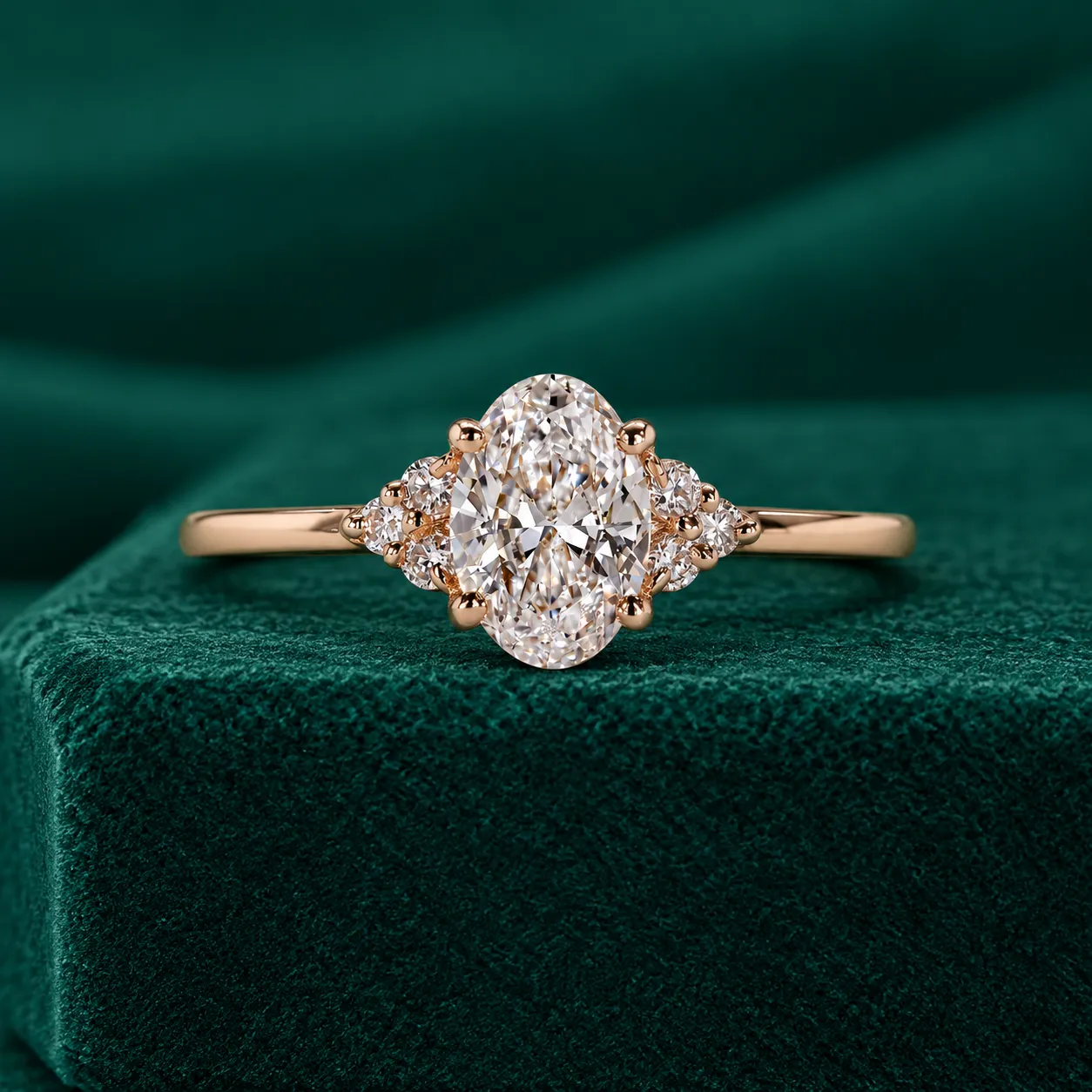
Oval Lab Grown Diamond Engagement Ring Oval Diamond Ring Solid Gold Ring for Her 3 Stone Diamond Anniversary Ring Gift Unique Promise Ring
Price range: $345.00 through $2,795.00 Select options This product has multiple variants. The options may be chosen on the product page -
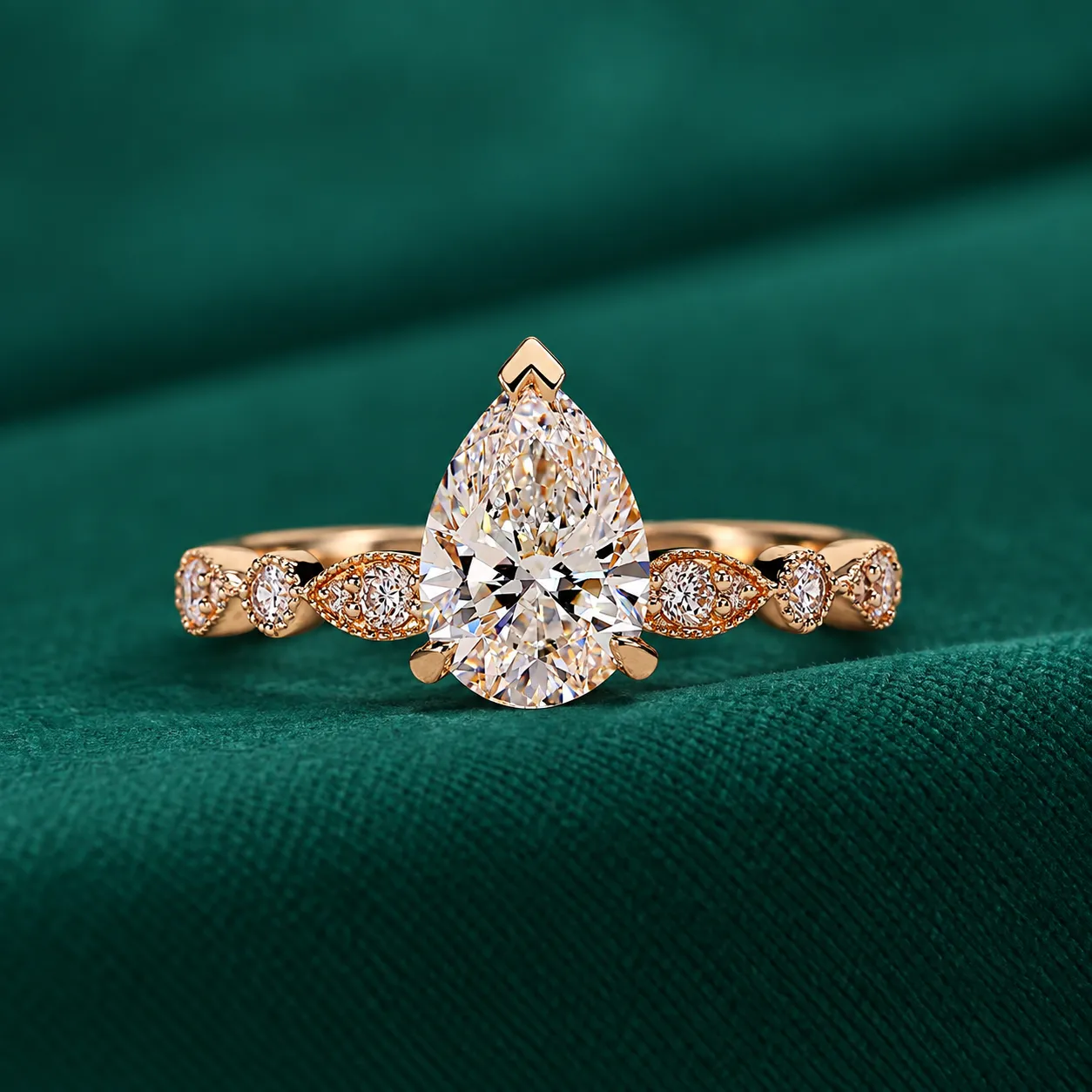
Pear Diamond Engagement Ring Lab Grown Diamond Ring Big Pear Diamond Ring Milgrain Design Ring for Anniversary Gift for Her Designer Rings
Price range: $470.00 through $3,255.00 Select options This product has multiple variants. The options may be chosen on the product page -
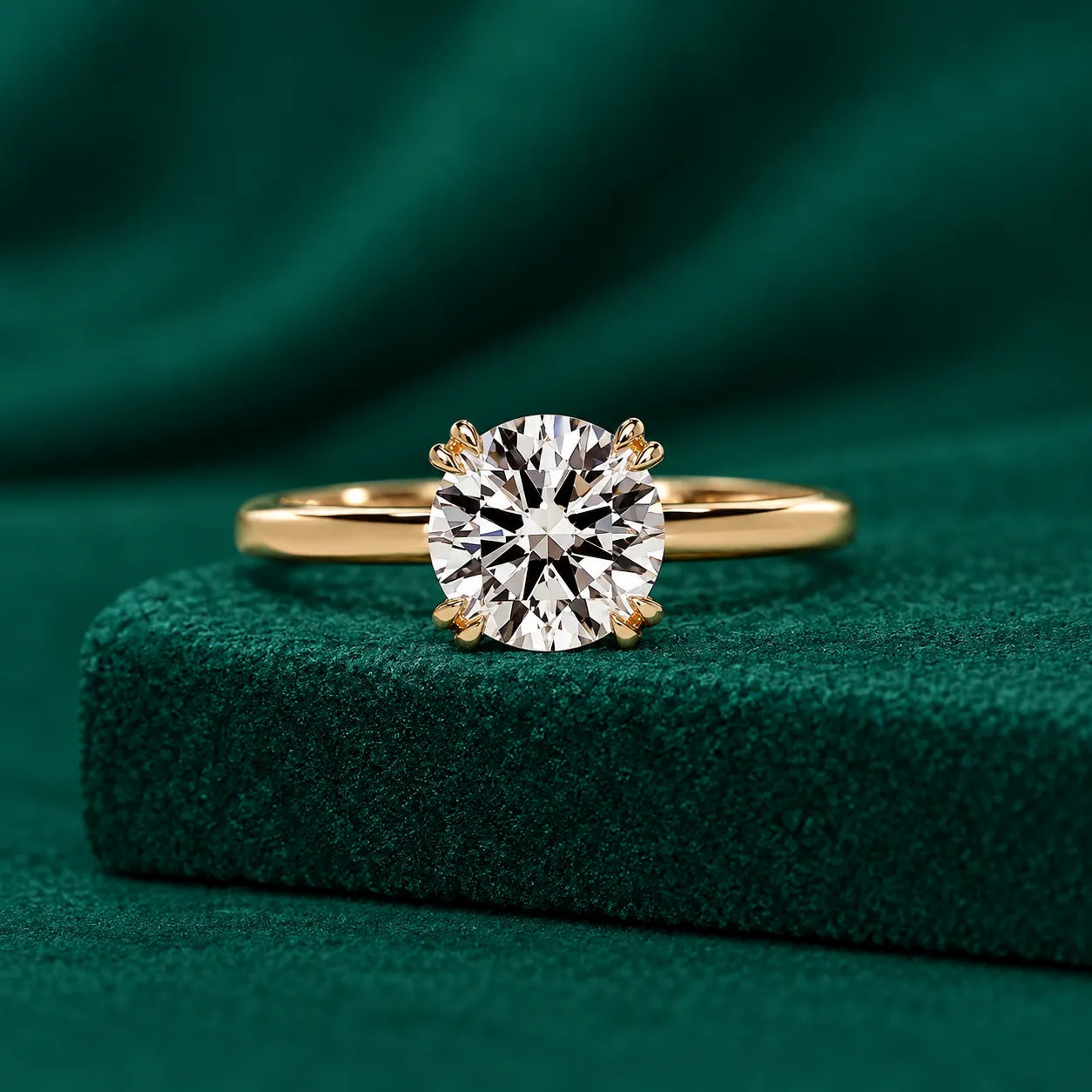
Round Lab Grown Diamond Ring Solitaire Diamond Engagement Ring Round Diamond Wedding Ring for Her Minimalist Anniversary Ring Proposal Ring
Price range: $355.00 through $3,030.00 Select options This product has multiple variants. The options may be chosen on the product page
Mastering the 4Cs of Diamond Quality
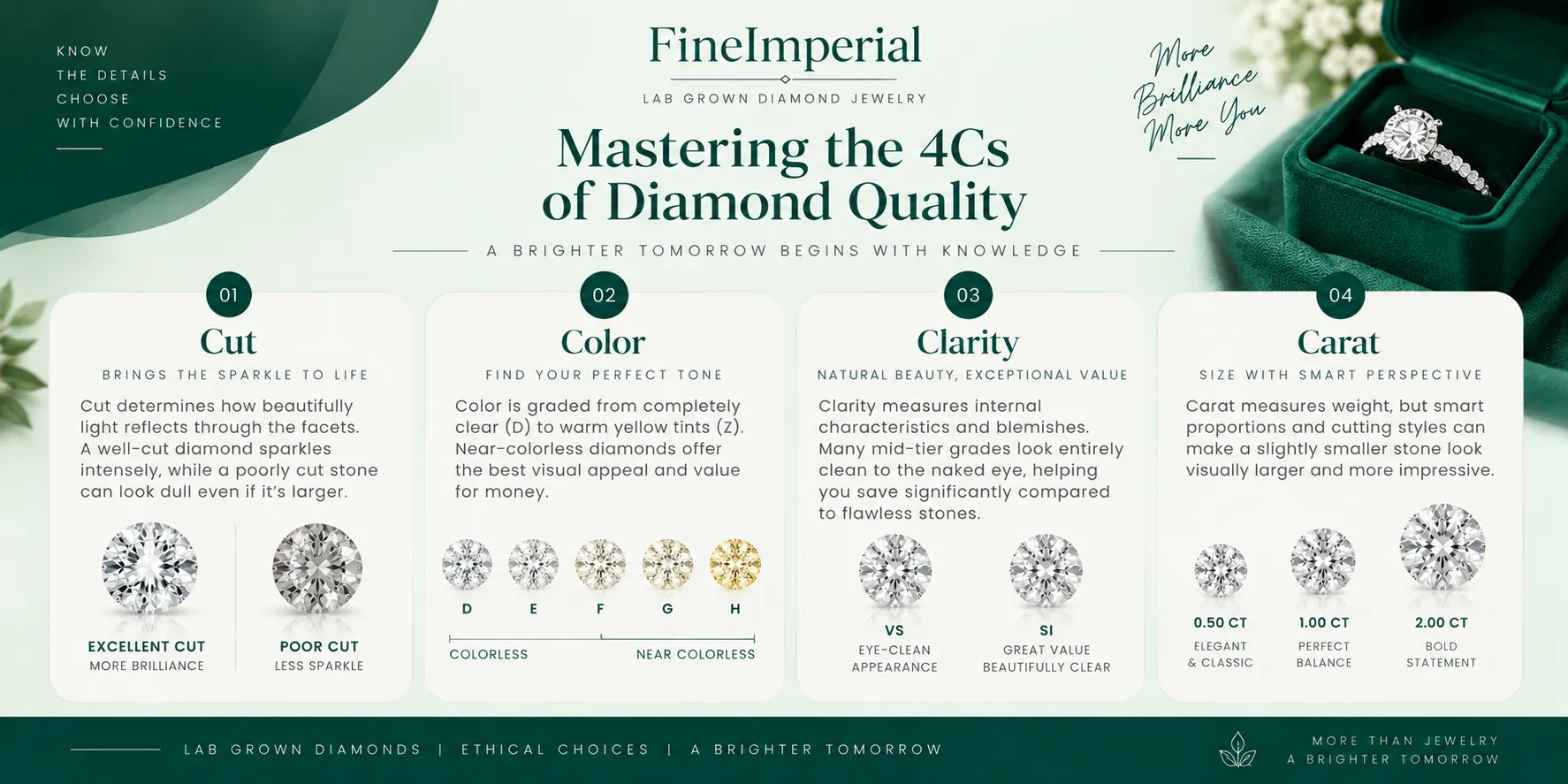
Evaluating a diamond’s true value and brilliance relies on four foundational grading standards known globally as the 4Cs:
- Cut: This is arguably the most crucial quality factor because it determines how brilliantly light reflects across the facets. A well-cut diamond sparkles intensely, whereas a poorly cut stone looks dull regardless of size.
- Color: Graded from completely clear (D) down to warm yellow tints (Z), near-colorless choices offer the smartest visual appeal and value for money.
- Clarity: Measures internal characteristics and blemishes. Many mid-tier grades look entirely clean to the naked eye while saving you substantial money compared to flawless stones.
- Carat: Measures weight, though smart proportions and cutting styles can make a slightly smaller stone look visually larger and more impressive.
Comprehensive Guide to Every Diamond Cut and Shape
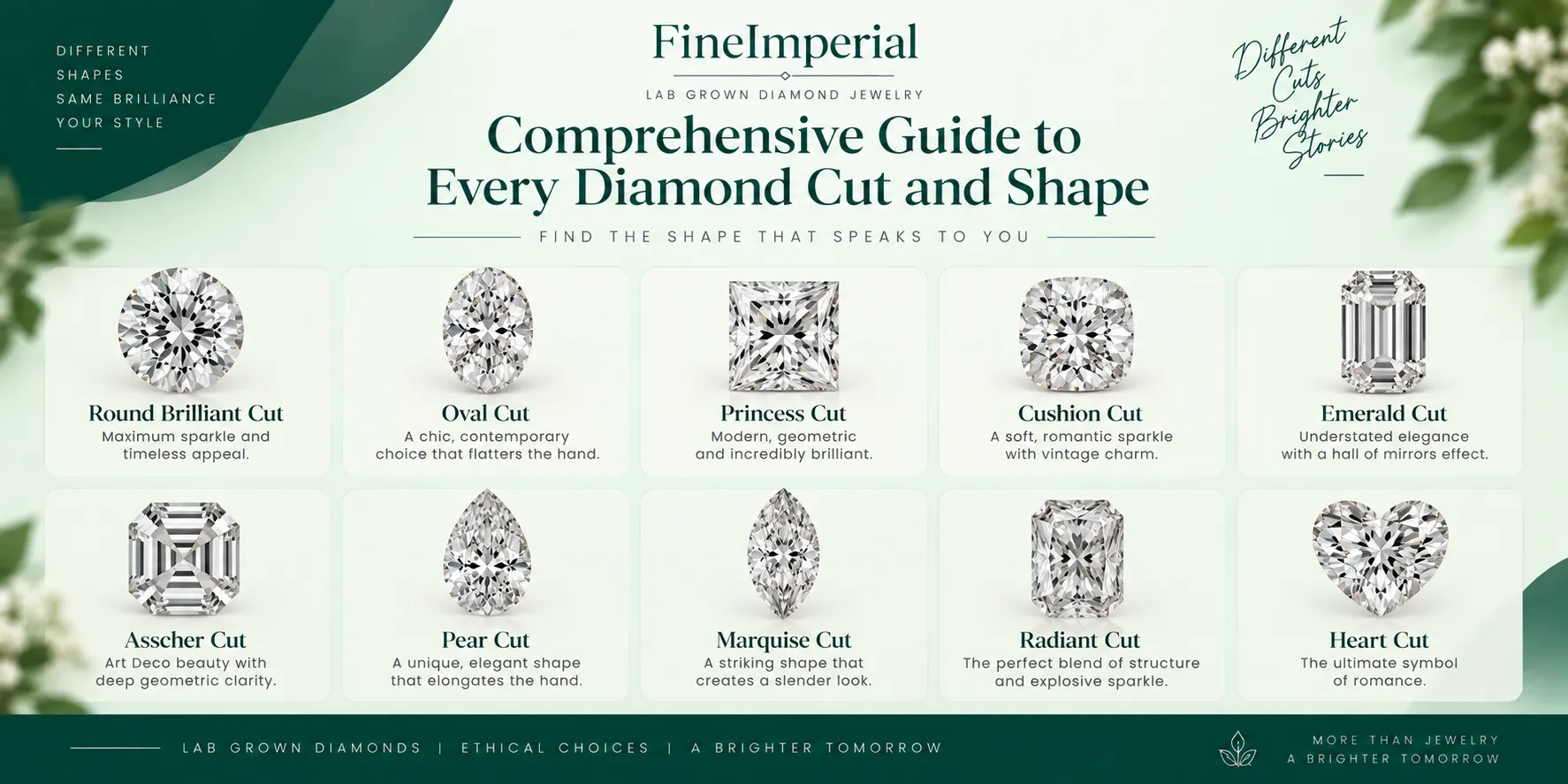
The shape and cut style determine how the ring looks from above affecting both its appearance and how much of the finger it covers. To pick the one it’s important to know all the diamond cuts that are available, in the market.
- Round Brilliant Cut: The undefeated champion of maximum sparkle and timeless appeal. It features 58 facets designed specifically to maximize light return, making it the most popular choice worldwide.
- Oval Cut: If you want a chic, contemporary aesthetic, an engagement ring oval cut diamond is a top-tier choice because its elongated geometry flatters the hand, maximizes visual size per carat, and creates an illusion of longer fingers.
- Princess Cut: A square or rectangular shape with sharp corners and brilliant-style facets. It offers a modern geometric appeal with incredible brilliance, making it a favorite for contemporary settings.
- Cushion Cut: Combining a square or rectangle shape with rounded corners (resembling a pillow), this vintage-inspired cut has large facets that produce a soft, romantic, chunky sparkle.
- Emerald Cut: A rectangular step-cut featuring trimmed corners and parallel facets that create a “hall of mirrors” effect. It prioritizes clarity and understated elegance over intense sparkle.
- Asscher Cut: Similar to the emerald cut but square in shape with larger step facets and high octagonal corners. It offers an authentic Art Deco, vintage aesthetic with deep geometric clarity.
- Pear Cut (Teardrop): A unique hybrid combining a round brilliant end with a tapered point. It elongates the hand beautifully and stands out as a striking, romantic statement piece.
- Marquise Cut: An elongated shape with pointed ends on both sides. It has the largest surface area face-up appearance per carat of any cut, making the hand look exceptionally slender.
- Radiant Cut: Features trimmed corners with a brilliant-cut facet pattern underneath. It combines the clean structural outline of an emerald cut with the explosive sparkle of a round diamond.
- Heart Cut: The ultimate symbol of romance this modified brilliant cut needs symmetry and careful cutting to make sure it sparkles evenly and shows a clear heart shape.
Choosing the Proper Band Metal
Your metal selection impacts durability, skin tone pairing, and overall character:
- White Gold & Platinum: Deliver a bright, cool, modern silver-toned finish. While white gold requires occasional rhodium plating over the years, platinum offers heavy, hypoallergenic durability.
- Yellow Gold: Brings a timeless, warm, and traditional warmth that pairs wonderfully with classic designs and vintage inspirations.
- Rose Gold: Offers a romantic pinkish hue created by copper alloys, gaining immense popularity among modern couples.
Understanding Ring Settings and Security
The setting not only secures the stone firmly in place but also heavily shapes its overall look and light performance:
- Prong Setting: Elevates the stone using metal claws to maximize light entry and brilliance.
- Bezel Setting: Wraps a smooth rim of metal around the entire edge for ultimate protection and a sleek modern profile, ideal for active lifestyles.
- Pavé & Halo Settings: Add extra brilliance by embedding tiny accent stones along the band or surrounding the centerpiece to amplify visual size.
Practical Customs and Essential Doubts
As buyers map out their proposals, standard questions frequently arise regarding traditions and jewelry categories:
- Placement Tradition: People often wonder, what hand does an engagement ring go on? By tradition, it rests on the ring finger of the left hand, which serves as the standard answer to which hand is the engagement ring hand.
- Design Distinctions: Many buyers ask, is engagement and wedding ring the same? They are distinct pieces; the engagement ring is presented during the proposal moment, while the wedding band is exchanged later during the ceremony.
- Modern Queries: Another frequent question is, do men wear engagement rings? Absolutely, contemporary couple bands and men’s commitment styles have gained massive popularity today.
Certification and Final Purchase Safety
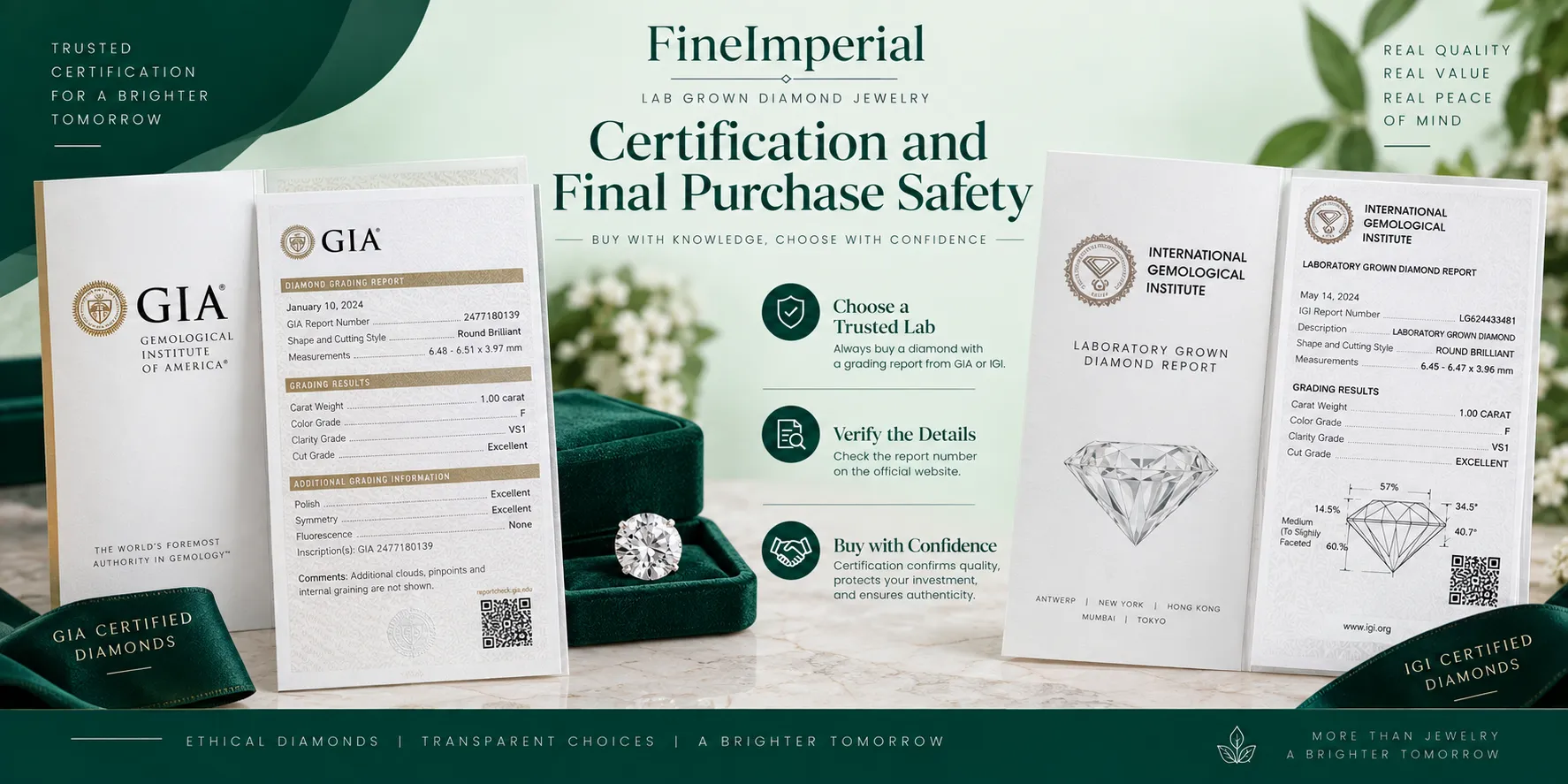
Never buy a diamond without a grading report from a globally trusted laboratory such, as the GIA or IGI. Certification is proof that confirms the exact quality and authenticity of the diamond. The certification guarantees the quality of the diamond. Protects the investment.
Conclusion
Choosing the right engagement ring involves a thoughtful blend of personal style, secure craftsmanship, and smart budgeting. By prioritizing what your partner truly loves over temporary trends, and selecting the ideal diamond cut to match their personality, you will craft a meaningful, lifelong symbol of commitment that they will cherish forever.