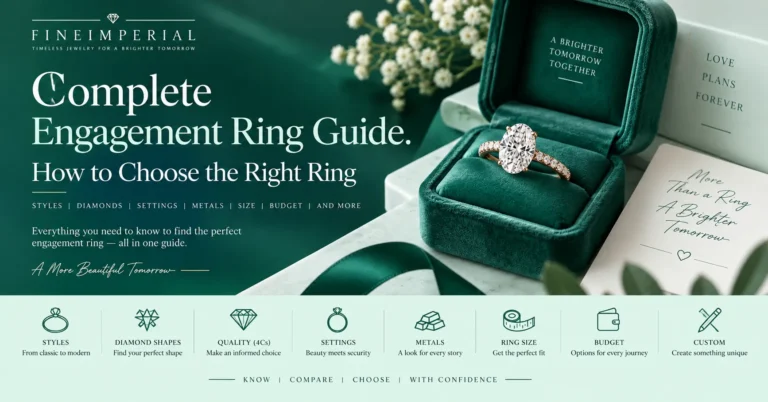
Choosing an engagement ring is a step toward a new beautiful chapter. However with diamond shapes, settings and precious metals finding the perfect design can feel overwhelming. Do you lean toward a solitaire, a sparkling halo or a modern minimal look?
The right engagement ring should mirror your partners personality fit comfortably in life and fit your budget. Understanding a few details can make the shopping experience much easier.
At FineImperial I believe that choosing an engagement ring should be about more, than looks. It should blend craftsmanship, beautiful diamonds and a design that feels meaningful for years to come.
Discover the Engagement Ring Style That Suits You
Every ring tells a different story. Some designs celebrate simplicity, while others feature intricate details and eye-catching brilliance. Understanding these differences is the first step toward finding a ring your partner will love.
Here are some popular styles to explore:
- Solitaire: A single center diamond creates a timeless, elegant look.
- Halo: Smaller diamonds surround the center stone for additional sparkle.
- Three-stone: Three gemstones create a meaningful design often associated with a relationship’s past, present, and future.
- Vintage-inspired: Decorative metalwork and intricate details offer romantic charm.
- Pavé: Small diamonds along the band add delicate brilliance.
- Minimalist: Clean lines and understated settings create a contemporary appearance.
I think you should consider the jewelry your partner already wears. If your partner prefers necklaces and delicate earrings your partner may appreciate a minimalist design. If your partner enjoys accessories your partner might prefer a halo ring.
The best choice is not always the expensive or elaborate. The best choice is the one that feels right for the person wearing the jewelry.
Solitaire Engagement Rings: Timeless Beauty
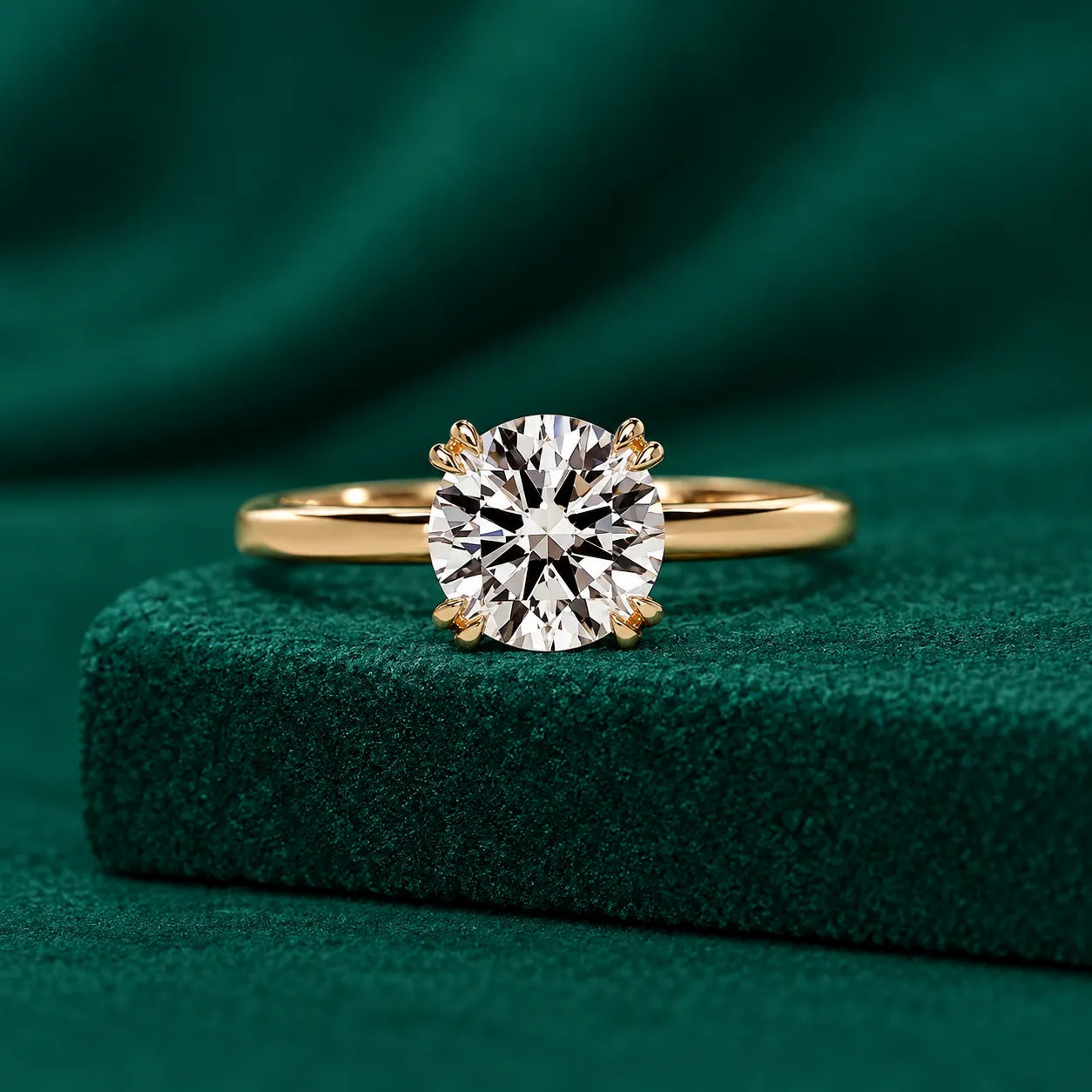
Some designs stay beautiful no matter how trends change and the solitaire engagement ring is an example. The solitaire engagement ring has one center diamond so the diamond can shine without fuss.
Solitaire engagement rings are very popular with couples who love versatility. The clean look of a solitaire engagement ring pairs, with many outfits, other jewelry and wedding bands.
Why choose a solitaire?
- The center diamond receives the most attention.
- The simple design suits traditional and contemporary tastes.
- Different diamond shapes create distinctive looks.
- Many solitaire settings pair easily with wedding bands.
The setting also influences the ring’s appearance. A prong setting exposes more of the diamond, while a bezel setting surrounds its edge with metal for a streamlined look and additional edge protection.
When choosing a solitaire, pay particular attention to diamond cut quality. A well-cut diamond can deliver impressive brilliance without requiring you to choose the largest carat weight available.
Halo Engagement Rings: Extra Sparkle and Visual Impact
If your partner loves glamorous jewelry, a halo engagement ring could be an excellent choice. This design features smaller diamonds arranged around the center stone, creating a sparkling frame that can make the main diamond appear larger.
Halo engagement rings offer plenty of variety, allowing you to choose a design that feels subtle or dramatic.
- Classic halo: A single border of diamonds surrounds the center stone.
- Double halo: Two diamond borders create a more elaborate appearance.
- Hidden halo: Small diamonds sit beneath the center stone for a subtle detail.
- Oval halo: An elongated diamond creates an elegant silhouette.
A halo can bring sparkle without making you spend all your money on a big center diamond.. The proportions are important. The stones around the center diamond should look good, with the center diamond not cover it.
Because these designs have small diamonds, good craftsmanship and regular professional checks are important. Checking the setting often can find stones before they fall out.
Buy Diamond Ring
-
Baguette Marquise Diamond Wedding Band Half Eternity Band for Her Anniversary Ring Lab Grown Diamond Stackable Ring Bridal Set Matching Ring
Price range: $813.00 through $1,724.00 Select options This product has multiple variants. The options may be chosen on the product page -
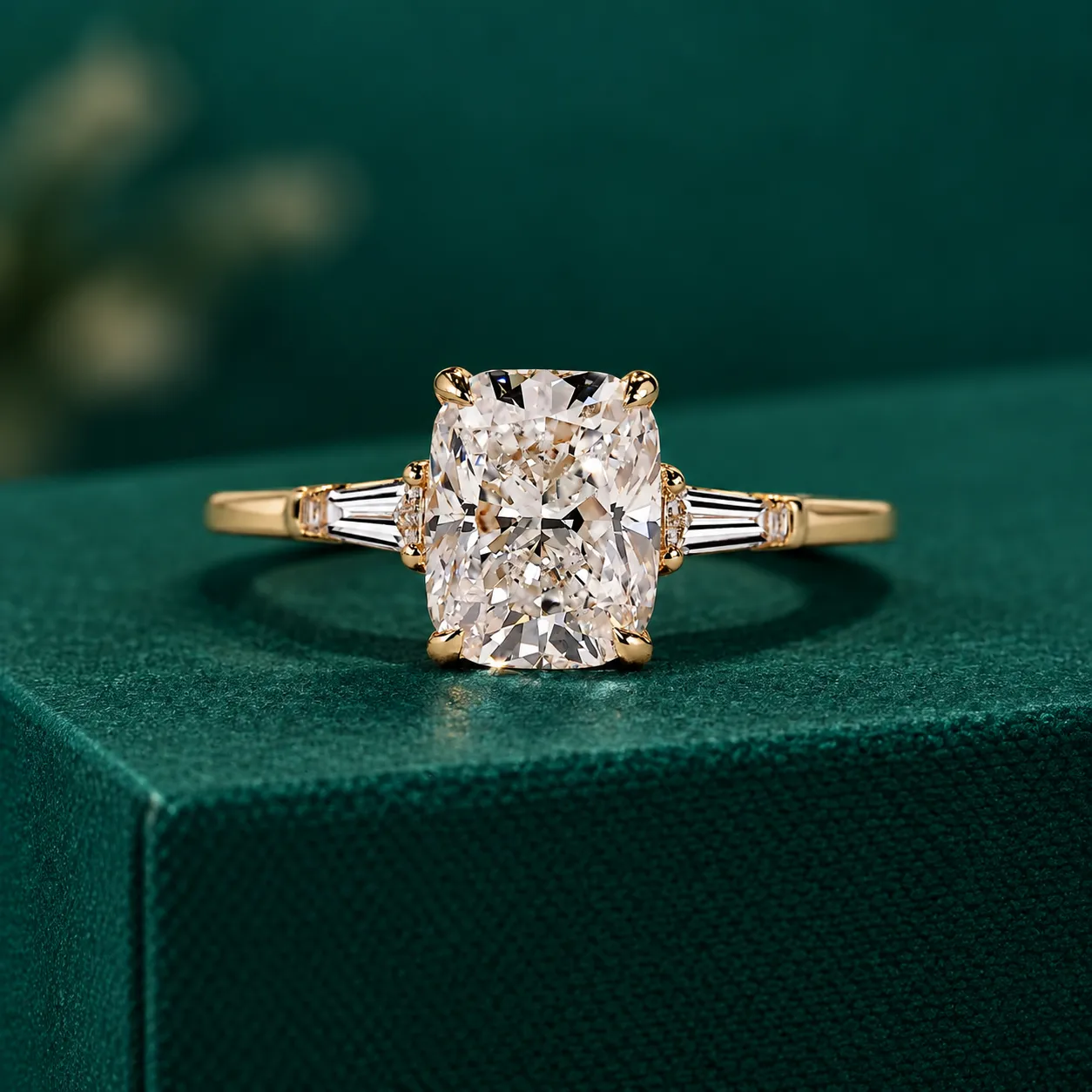
Diamond Engagement Ring Cushion Diamond Ring Unique 3 Diamond Wedding Ring Genuine Lab Grown Diamond Ring Anniversary Ring for Wife Gift
Price range: $378.00 through $2,905.00 Select options This product has multiple variants. The options may be chosen on the product page -
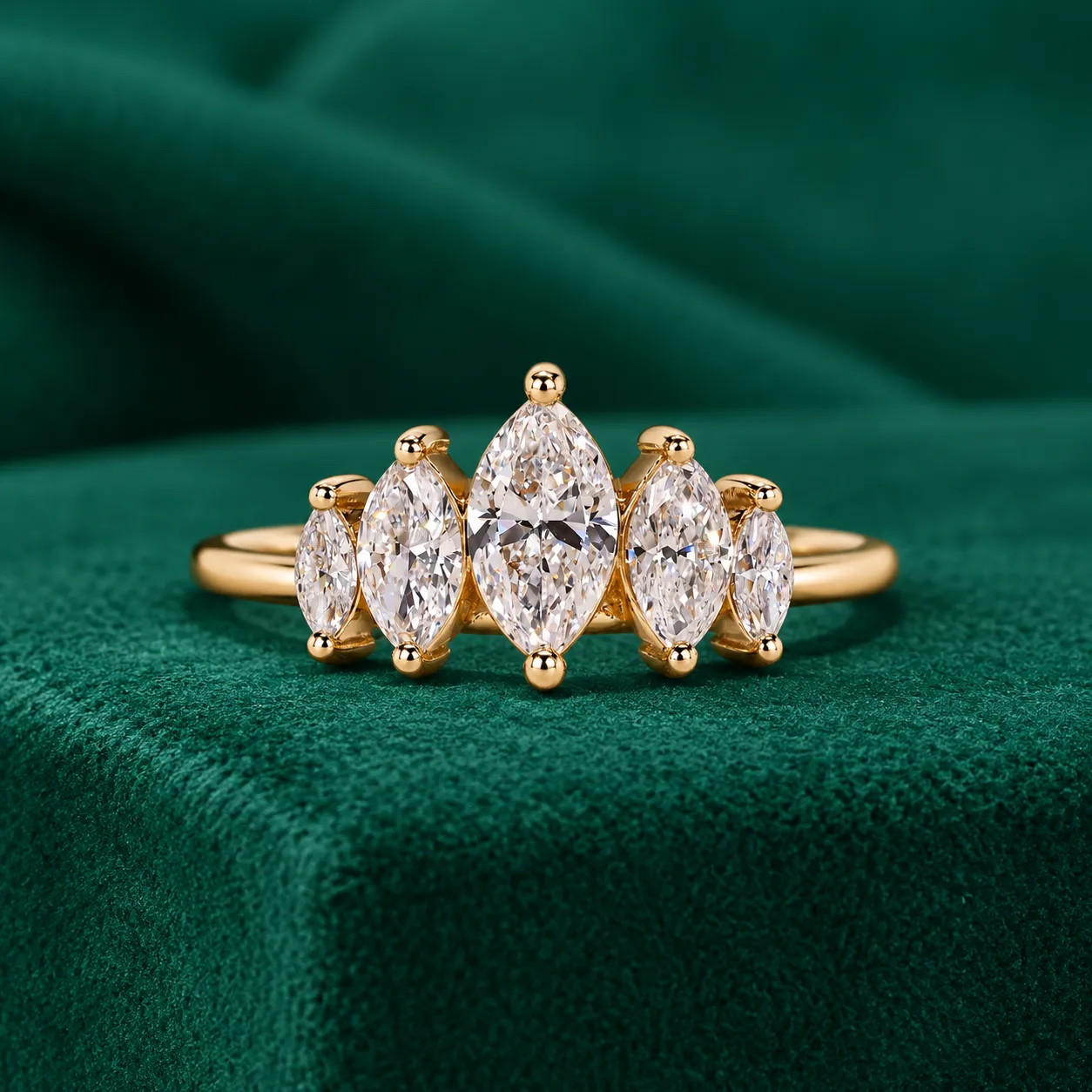
Marquise Diamond Wedding Ring 5 Stone Ring Genuine Lab Grown Diamond Stacking Ring Graduating Diamond Ring Unique Anniversary Gifts for Wife
Price range: $557.00 through $1,256.00 Select options This product has multiple variants. The options may be chosen on the product page -
Round Lab Grown Diamond Ring Solitaire Diamond Engagement Ring Round Diamond Wedding Ring for Her Minimalist Anniversary Ring Proposal Ring
Price range: $355.00 through $3,030.00 Select options This product has multiple variants. The options may be chosen on the product page
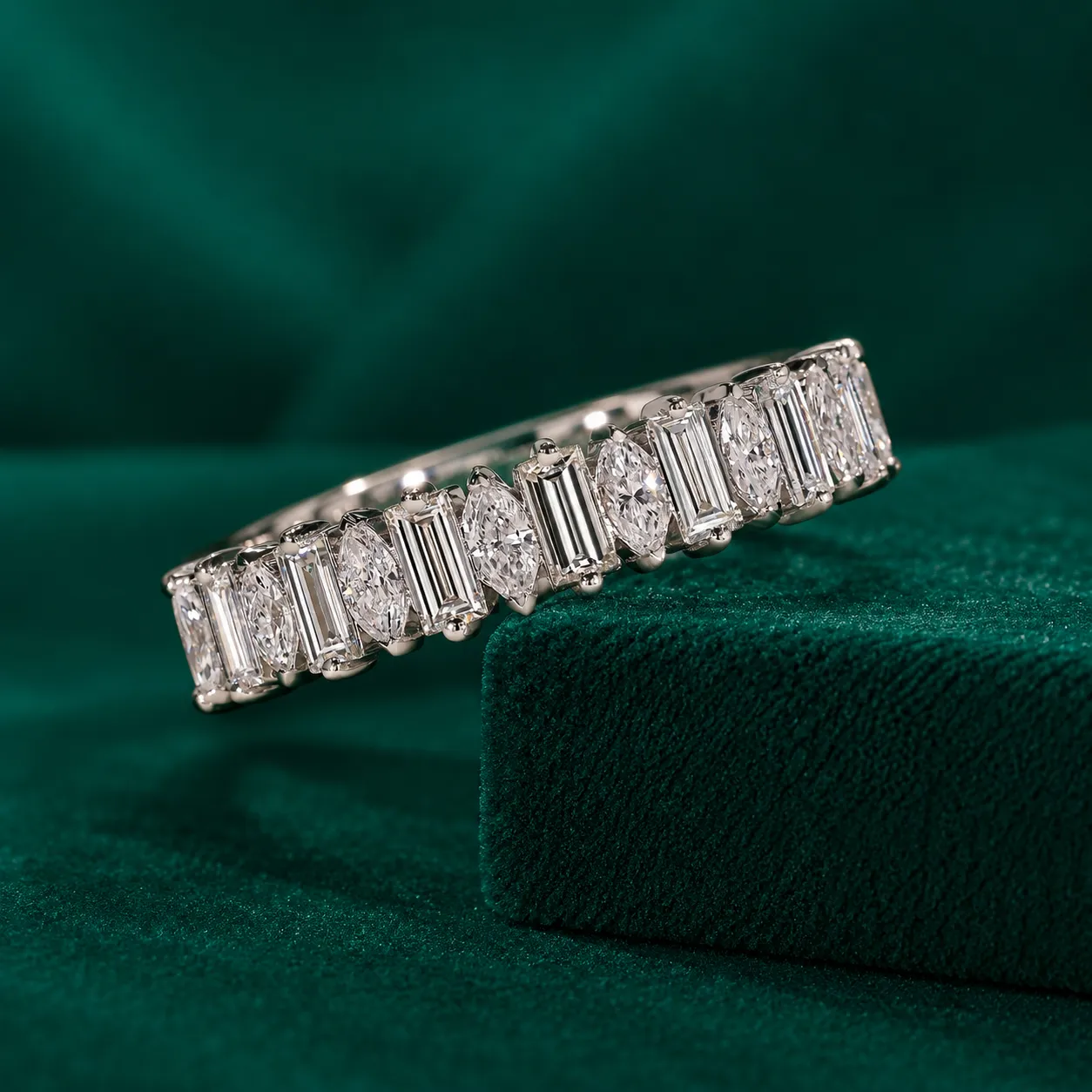
Three-Stone Engagement Rings: A Meaningful Expression of Love
A three stone engagement ring combines a central gemstone with two side stones. The design is traditionally associated with the past, present, and future of a relationship, making it an appealing choice for couples who appreciate meaningful symbolism.
The style can be customized in several ways:
- Round center with baguette side stones: Creates a refined, architectural appearance.
- Pear-shaped side stones: Adds a softer, decorative touch.
- Three matching diamonds: Offers a balanced and harmonious look.
- Colored gemstone accents: Introduces a personal touch of color.
When comparing three stone engagement rings, consider the proportions of all three gemstones. The side stones should complement the center diamond and create a balanced appearance.
The setting deserves equal attention because each gemstone needs secure support. Choosing a well-constructed design helps maintain the ring’s appearance through regular wear.
Whether you love its symbolism or simply appreciate its distinctive shape, a three-stone ring offers an elegant alternative to a traditional solitaire.
Vintage and Antique Engagement Rings: Romantic Details
Vintage-inspired jewelry brings together intricate craftsmanship, decorative metalwork, and distinctive diamond arrangements. These designs appeal to people who appreciate jewelry with character and a romantic connection to the past.
A vintage engagement ring may feature:
- Milgrain detailing: Tiny bead-like decorations along metal edges.
- Filigree work: Delicate metal patterns that create intricate designs.
- Geometric arrangements: Details inspired by Art Deco jewelry.
- Floral motifs: Romantic patterns inspired by nature.
An old engagement ring is usually a piece that’s at least 100 years old though there is no strict rule about this. When looking to buy an antique make sure to find out how old it is, where it came from how it looks and if it has ever been fixed before.
Rings that look like they are, from the past are another choice. They copy the look of styles but are made with todays techniques. This way you can pick the diamond and metal you want. Still have a style that looks like it came from a long time ago.
For people who like jewelry and lots of little details these kinds of rings are a nice choice instead of the newer designs.
Pavé Engagement Rings: Delicate Brilliance
Why should all the sparkle come from the center diamond?
A pavé engagement ring features small diamonds set closely together along the band, creating a continuous line of brilliance. This detail can transform a simple ring into something more decorative without making the center stone the only visual feature.
Pavé engagement rings pair beautifully with solitaire and halo settings. Depending on the design, the diamonds may cover only the upper portion of the band or extend farther around it.
Before choosing a pavé design, consider:
- The security of the smaller diamonds.
- The comfort of the band during everyday activities.
- How the engagement ring will sit beside your wedding band.
- The maintenance required to keep the setting in good condition.
Pavé rings can be suitable for everyday wear, but their small stones require periodic professional inspection. Someone who frequently works with their hands may prefer a simpler setting with fewer exposed details.
Minimalist Engagement Rings: Modern Elegance
Not everyone wants elaborate decoration. Minimalist engagement rings celebrate clean lines, balanced proportions, and understated beauty.
A simple metal band paired with a beautifully cut diamond can make a powerful impression without unnecessary embellishment. These designs also work well with different diamond shapes, including round, oval, and emerald cuts.
Your choice of metal helps define the overall look:
- Yellow gold: Offers a warm, traditional appearance.
- White gold: Creates a bright, silvery finish.
- Rose gold: Adds a soft pink tone.
- Platinum: Provides a naturally white finish and a substantial feel.
White gold may require periodic rhodium replating, while platinum can develop surface scratches through regular wear. Understanding these differences helps you choose a metal that suits your preferences and maintenance expectations.
A minimalist design is an excellent option for someone who values versatility, comfort, and contemporary style.
Understanding Diamond Quality Before You Buy
You do not need to become a gemologist to choose a beautiful diamond. Understanding the four Cs—cut, color, clarity, and carat—will help you compare stones and decide where your budget is best spent.
Cut: Influences how effectively the diamond reflects light. A well-cut diamond can appear bright and lively.
Color: Colorless diamonds are graded from D through Z, with increasing yellow or brown tint toward the lower end of the scale.
Clarity: Describes a diamond’s internal inclusions and surface blemishes. A lower clarity grade can still offer an attractive appearance if its characteristics are difficult to see without magnification.
Carat: Measures weight rather than exact physical size. Two diamonds with the same carat weight can look different because of their shapes and proportions.
Rather than automatically choosing the highest grade in every category, focus on the characteristics that make the biggest visual difference.
For example, a well-cut diamond with balanced proportions may be more appealing than a heavier diamond with less attractive light performance.
Lab-Grown Diamonds and Certification
Lab‑grown diamonds give couples another choice for engagement rings. Those gemstones are made by scientists in a lab. They are basically the same in chemistry and crystal structure as natural diamonds. The only difference is where they come from.
Because of how the market works and the details of each stone lab‑grown diamonds can offer choices when you compare size and quality for a set budget. The resale value of lab‑grown diamonds is not the same as that of diamonds so neither should be thought of as a sure money bet.
Grading reports from labs can show you exactly what a diamond looks like. GIA and IGI are two well‑known names, in diamond grading and their reports and grading methods do vary.
Before purchasing, check:
- Whether the grading report matches the diamond.
- The diamond’s stated characteristics and measurements.
- The ring’s metal purity and setting specifications.
- The seller’s return, resizing, and warranty policies.
Certification helps you evaluate the diamond, but it does not automatically guarantee the craftsmanship of the entire ring.
At FineImperial, shoppers can explore lab-grown diamond jewelry while comparing product details to find a design that suits their preferences.
Buy Diamond Ring
-
Baguette Marquise Diamond Wedding Band Half Eternity Band for Her Anniversary Ring Lab Grown Diamond Stackable Ring Bridal Set Matching Ring
Price range: $813.00 through $1,724.00 Select options This product has multiple variants. The options may be chosen on the product page -
Diamond Engagement Ring Cushion Diamond Ring Unique 3 Diamond Wedding Ring Genuine Lab Grown Diamond Ring Anniversary Ring for Wife Gift
Price range: $378.00 through $2,905.00 Select options This product has multiple variants. The options may be chosen on the product page -
Marquise Diamond Wedding Ring 5 Stone Ring Genuine Lab Grown Diamond Stacking Ring Graduating Diamond Ring Unique Anniversary Gifts for Wife
Price range: $557.00 through $1,256.00 Select options This product has multiple variants. The options may be chosen on the product page -
Round Lab Grown Diamond Ring Solitaire Diamond Engagement Ring Round Diamond Wedding Ring for Her Minimalist Anniversary Ring Proposal Ring
Price range: $355.00 through $3,030.00 Select options This product has multiple variants. The options may be chosen on the product page
Ring Size, Comfort, and Everyday Care
A beautiful engagement ring should feel comfortable enough for everyday wear. Before purchasing, consider the ring size, setting height, band width, and your partner’s daily activities.
How to Choose the Right Ring Size
If you are planning a surprise proposal, you can use a ring your partner already wears on the correct finger to estimate the size. However, professional sizing is more reliable because finger size can vary with temperature, and wider bands may fit differently from thinner ones.
Choosing a Comfortable Setting
- High-profile settings: Raise the center diamond for a prominent look but may catch on clothing.
- Low-profile settings: Sit closer to the finger, making them a practical choice for everyday wear.
- Bezel settings: Surround the diamond’s edge with metal, offering additional protection.
Simple Tips for Everyday Care
- Clean your ring using a method suitable for its metal and gemstone.
- Avoid exposing it to harsh chemicals and household cleaners.
- Arrange periodic professional inspections to check the setting and diamond security.
- Consider jewelry insurance and review its coverage, exclusions, and deductibles.
For more helpful buying advice and explanations of diamond terminology, explore our Complete Engagement Ring FAQ and Engagement Ring Glossary: Terms You Should Know.
Final Thoughts
Choosing the right engagement ring comes down to personal style, diamond quality, and budget. From solitaire and halo to vintage and minimalist designs, every style offers something unique.
Explore our Complete Engagement Ring FAQ and Engagement Ring Glossary: Terms You Should Know for helpful buying tips and diamond terminology.
At FineImperial, discover lab-grown diamond engagement rings that celebrate your love with timeless elegance.